Historical Film of Reported UFOs, Utah, 1952, identified as DOW-UAP-PR159, concerns a reported sighting preserved on moving images. Its title establishes the subject, place, and year. It does not establish what the reported objects were. For anyone approaching it through film criticism, that distinction is the starting point: a camera can preserve something worth examining without supplying its explanation.
The most useful critical approach is to consider the relationship between the person recording, the image recorded, and the audience interpreting it. This is commentary on that relationship, rather than a scene-by-scene review or a claim to have resolved the sighting. No invented dialogue or imagined character history is needed to make the subject compelling. The tension comes from an ordinary human problem: wanting another person to see what you saw.
What the title actually tells us
The crucial word is reported. It places a claim before the viewer while leaving room to examine it. Removing that qualification would change the meaning. So would treating UFO as a synonym for extraterrestrial spacecraft. An unidentified object is a question about identification; it does not, by itself, provide an answer about origin.
The year also needs careful handling. Here, 1952 belongs to the historical subject identified in the title. It should not be casually presented as a theatrical release date, and the video’s appearance in contemporary coverage does not make the underlying event new. For readers searching for this particular film, those distinctions help separate the historical material from the circumstances of encountering it today.
My view is that the restrained wording makes a better invitation to watch than a sensational promise would. It permits curiosity without demanding allegiance. A viewer can take the record seriously while withholding judgment about what it represents.
The person behind the camera matters
A character-focused reading of nonfiction requires a different discipline from a review of a scripted drama. In fiction, dialogue and performance may establish a protagonist’s motives. With a historical recording, the person operating the camera cannot automatically be assigned fear, excitement, certainty, or a desire to persuade. Those are possible human responses, but possibility is insufficient grounds for biography.
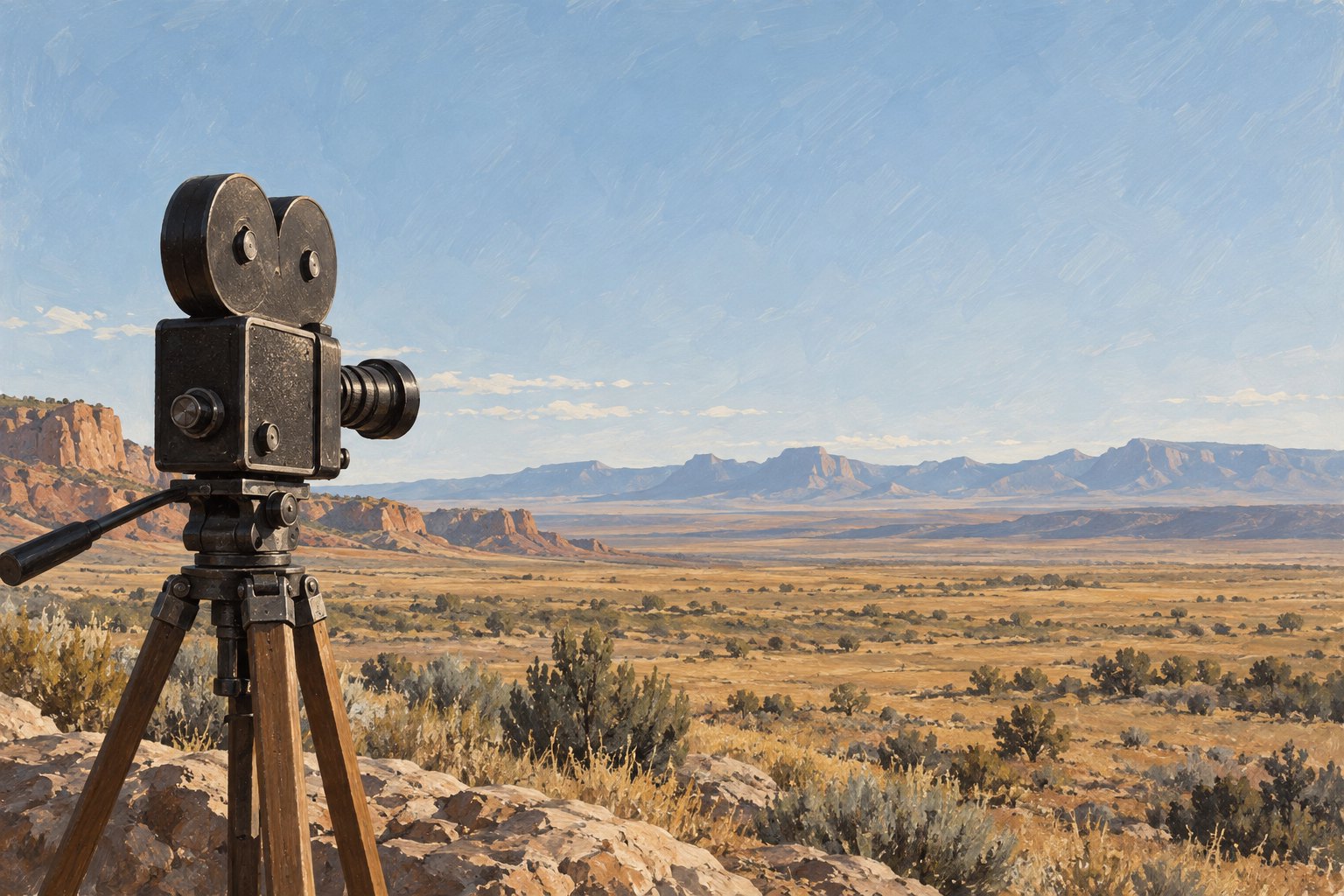
What we can examine is the position that filming creates. The camera operator selects a field of view. The later audience receives that selection rather than the operator’s whole experience. Whatever lay outside the frame, whatever preceded the recording, and whatever the witness understood at the time remain separate questions.
This makes the witness’s perspective important without making it complete. Recording can be an attempt to share an observation, but an image does not transfer every condition of seeing. The viewer may have access to replay while lacking the surrounding circumstances that made the original moment noticeable.
That concern connects with our discussion of how documentary participants and filmmakers shape a nonfiction story. Paying attention to authorship means asking whose perspective reaches the screen and how much of that perspective the screen can carry.
A recording and an explanation do different work
For the Utah film, a productive viewing question is not simply whether the image feels convincing. Convincing in what respect? A viewer might accept that a recording deserves investigation without accepting a particular account of its subject. Those judgments should be stated separately.
Film analysis helps by separating description from interpretation. Description concerns what can actually be observed in the available image. Interpretation proposes what those observations mean. A claim about identity, distance, size, or intention requires more support than a description of appearance. The strength of one claim does not automatically carry over to another.
Consider apparent movement as a general example. Before calling something fast, a viewer needs a basis for estimating speed. Before describing an object as large, the viewer needs some basis for scale. These are questions to bring to historical aerial footage, not assertions about particular frames in this film.
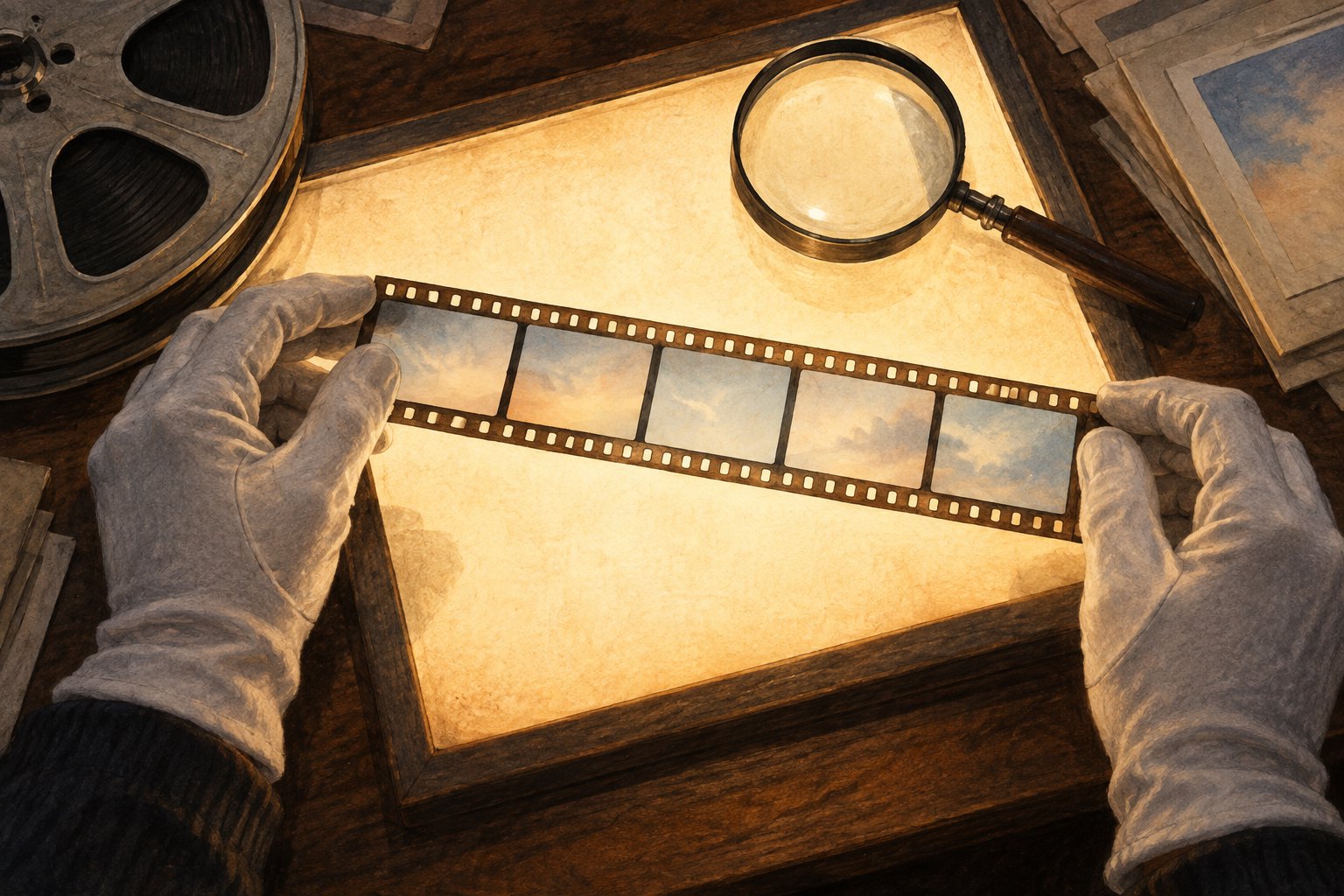
Replay can sharpen observation, but repeated exposure is not the same as additional evidence. Watching a passage again may reveal a detail previously missed. It may also make a favored explanation feel more familiar. A useful review should distinguish those outcomes instead of treating confidence as a measurement.
Why viewers want the footage to become a story
A reported UFO film arrives with an unusually strong narrative invitation. The audience may anticipate discovery, vindication, deception, or a final explanation. Those expectations can organize an ambiguous experience before any careful examination begins.
From the viewer’s perspective, the attraction is understandable. Stories give observations a destination. A mystery seems to promise a solution, and an old recording can seem to promise that the answer has been waiting inside it. Yet those are expectations we bring to the material. They are not conclusions guaranteed by its historical status.
Our analysis of how restricted knowledge shapes a viewer’s experience of suspense considers uncertainty in a fictional setting. Here, the comparison has a clear limit: a reported event has no obligation to deliver the resolution a screenwriter might construct. Feeling suspense does not establish that anyone deliberately designed it.
A practical way to approach the Utah film
For readers seeking more than an immediate verdict, three habits make the viewing process more useful:
- Keep an observation separate from its proposed explanation. Describe what you can support before naming what you think it is.
- Track the origin of each claim. Distinguish what appears in the recording from what a caption, witness account, or later commentator says about it.
- State what would change your judgment. Additional context should have a defined purpose, such as clarifying scale or the circumstances of recording.
These habits leave room for disagreement while making that disagreement specific. Two viewers may agree about an observable feature and differ about its explanation. Locating that difference is more informative than dividing everyone into believers and skeptics.
The deeper question is what we ask images to prove
My central reading of this subject is that its enduring interest lies in the gap between preserving an observation and making it intelligible to someone else. That gap gives the witness, the camera, and the viewer different responsibilities. The witness offers an account; the recording offers visual material; the viewer must decide which conclusions the combination can support.
For film criticism, the Utah 1952 record is therefore an invitation to examine our own habits of looking. We often want an image to function as observation, explanation, and verdict at once. Taking historical footage seriously means allowing each of those tasks its own standard of evidence. Curiosity remains worthwhile even when the most responsible judgment is narrower than the story we hoped to find.
Original content by this site's editorial team. Published: September 19, 2026 at 22:03:04 PDT (Los Angeles time)