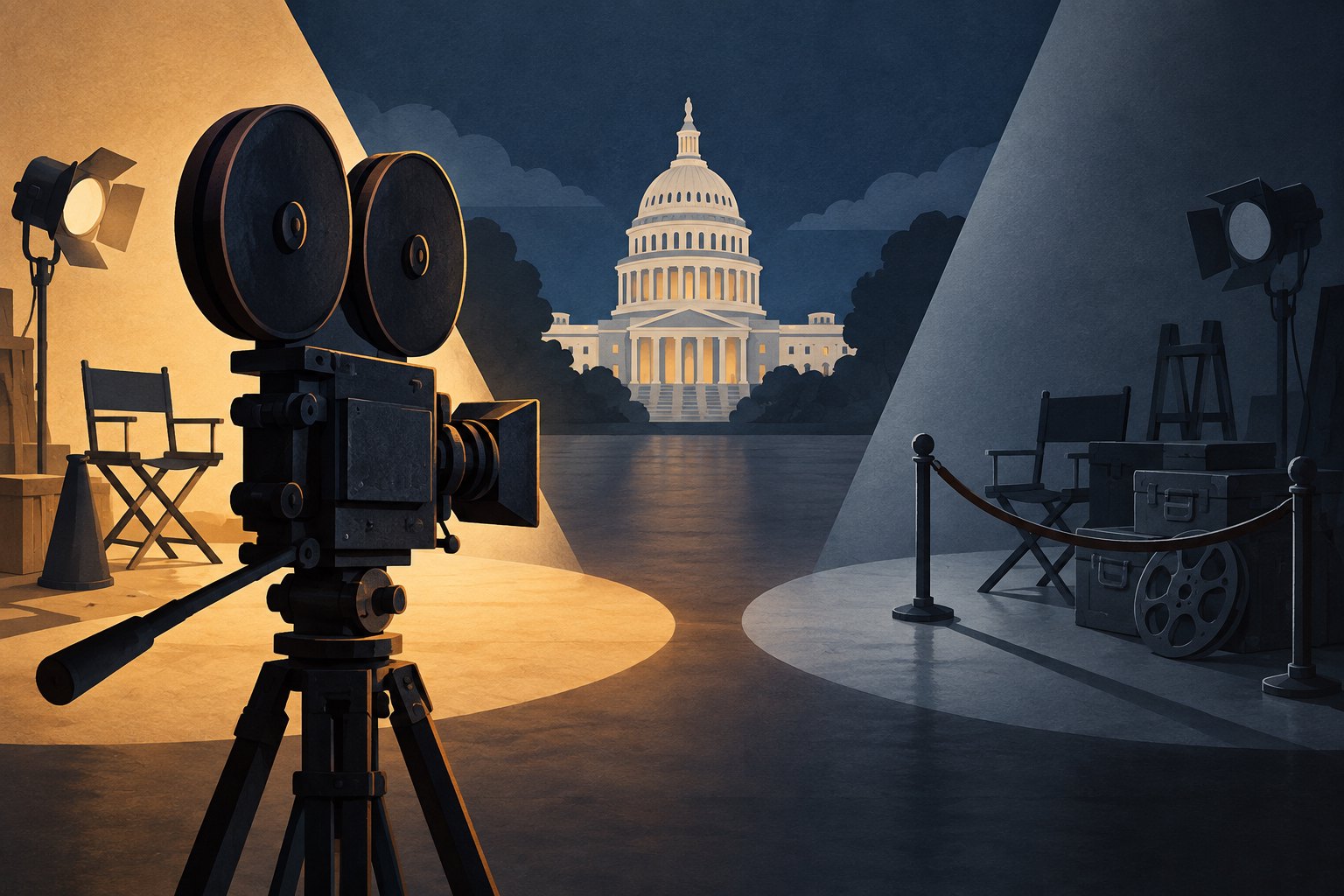
Taylor Jenkins Reid’s Atmosphere movie project has landed at Black Bear, according to The Hollywood Reporter. For readers following its path to the screen, that is the central development. The creative question it raises is equally direct: how will the adaptation give audiences the emotional access that reading can provide?
A company attachment offers something concrete to follow, but it cannot establish how a movie feels, whether its performances work, or which choices its screenplay makes. This is spoiler-free adaptation commentary, not a review of a finished film. The interesting discussion begins with what an Atmosphere adaptation should earn through its filmmaking, without treating expectations as scenes already on the screen.
What the Black Bear development establishes
The reported news connects Black Bear with the Atmosphere movie project. That association should be understood on its own terms. It does not, by itself, establish a release date, a completed production, a particular distribution arrangement, or the final shape of the adaptation.
Those distinctions matter to anyone searching for when they can watch the movie. A project finding a company home and a film becoming available to audiences are different milestones. The Black Bear development gives readers a reason to follow further announcements; it does not supply a viewing calendar.
It also leaves room for critical independence. An author’s name and a company’s involvement can attract attention before audiences see footage. Neither tells us whether the eventual film will communicate a character’s divided loyalties, make a difficult decision understandable, or allow a relationship enough time to develop. Those judgments belong to the work itself.
The essential adaptation question: whose experience shapes the movie?
For this project, the most productive critical lens is character perspective. A film can preserve the sequence of a story while changing its emotional meaning. Showing an event from across a room produces a different relationship with a character than staying close enough to register their hesitation before they respond.
That difference is especially important when translating prose. Reading can place an audience inside someone’s reasoning, including the explanations they offer themselves and the truths they avoid. Cinema has to decide how much of that access to provide through performance, framing, editing, sound, or narration.
My preference would be for an Atmosphere adaptation that makes those decisions deliberately. The useful question is whether we understand what a person believes they stand to lose. A sympathetic close-up alone cannot do that. The surrounding scenes must establish what matters to them and why a seemingly small exchange might carry substantial weight.
This concern also informs our discussion of how adaptation changes can affect a protagonist’s credibility. Moving or shortening a scene can alter the evidence audiences use to judge someone. Fidelity therefore involves more than keeping recognizable incidents.
Performance must carry what prose can explain
One of the most revealing things to watch for in any eventual Atmosphere footage will be how scenes handle listening. Promotional clips often favor declarations, confrontations, and emphatic reactions. Yet a character may become most legible in the interval before answering, or in the effort required to appear unaffected.
That is a criterion for future assessment, not a claim about this production’s acting choices. The Black Bear news gives no basis for awarding praise to performances. It does, however, invite consideration of the work an adaptation will ask actors to do: communicate thought without making every thought explicit.
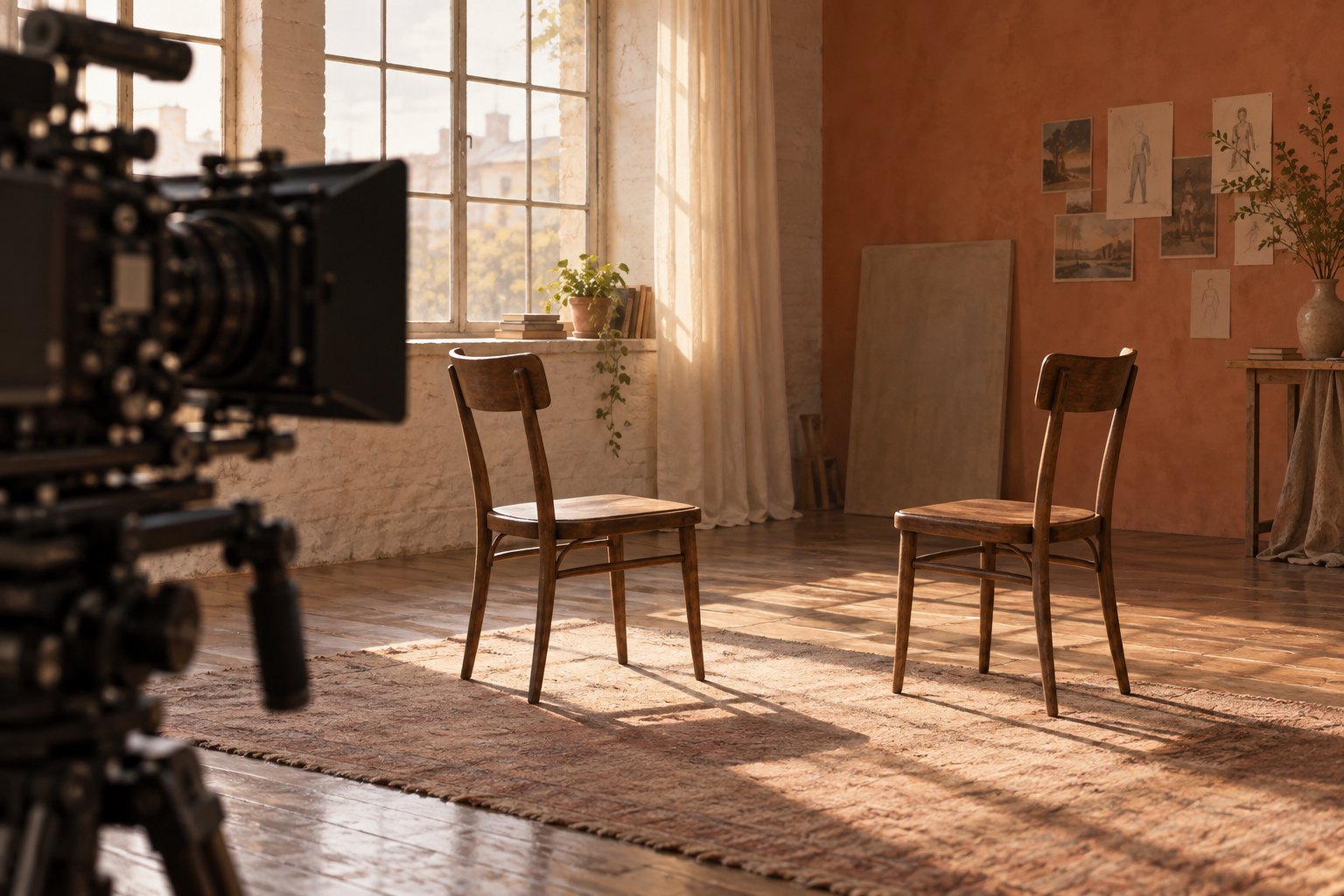
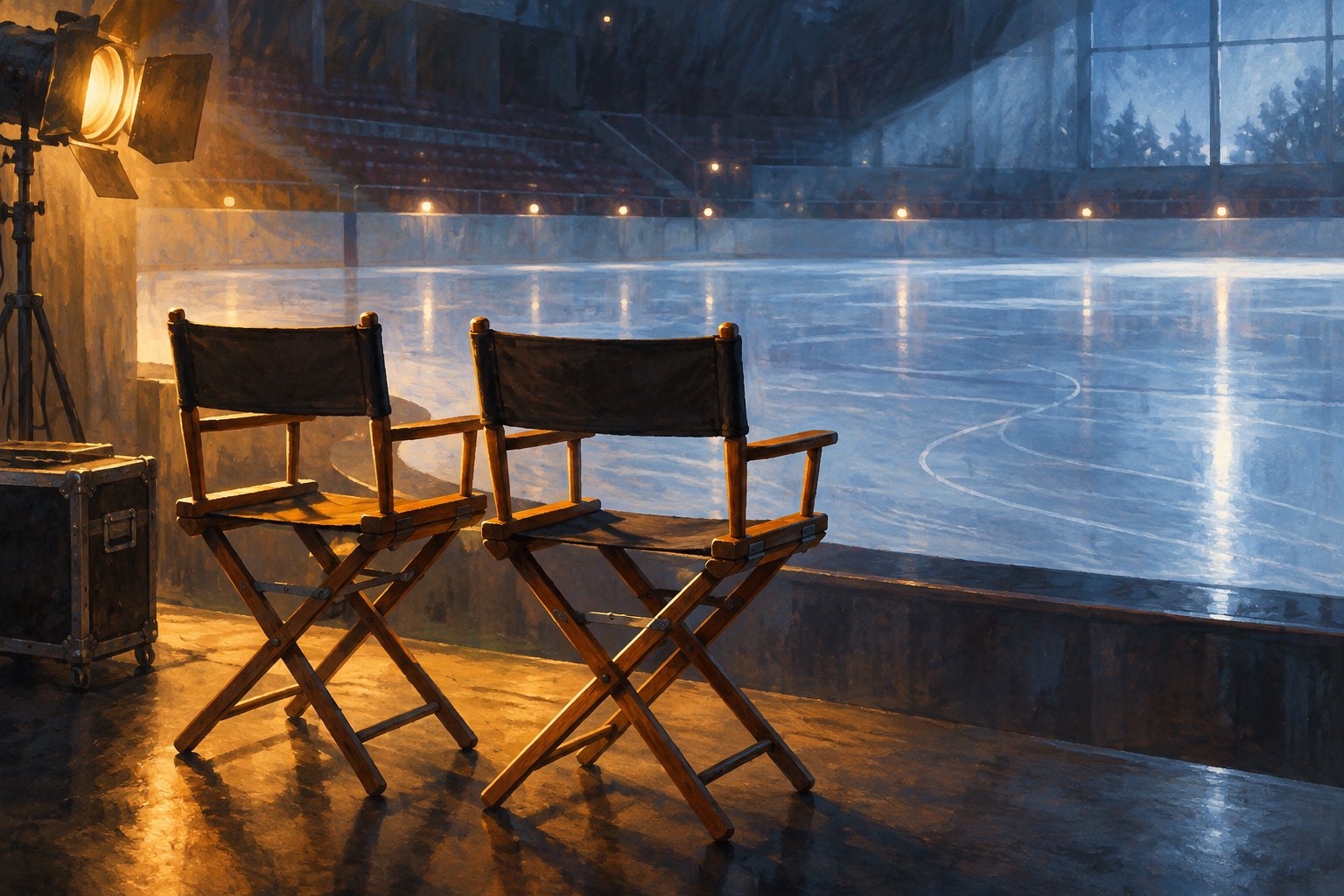
The illustration above represents that performance challenge rather than an actual production location. Two chairs and a camera suggest a basic cinematic test: can the relationship between people hold our attention before spectacle, music, or explanation supplies the emotion?
Our commentary on shared screen presence in Fake Skating considers a related issue. An appealing pairing becomes dramatically persuasive through behavior: the shifts in attention, confidence, and vulnerability that make each exchange change something.
Faithfulness depends on cause and consequence
Readers understandably look for favorite moments in an adaptation. But a recognizable moment can become hollow if the film removes the preparation that made it meaningful. Preserving a declaration while compressing the experiences behind it may reproduce the words and lose the conviction.
For Atmosphere, a fair eventual assessment should trace the connection between choices and consequences. Does a decision grow out of what the film has shown about that person? Does its aftermath receive enough attention? When the screenplay compresses material, can a newcomer still follow the emotional logic?
This approach allows meaningful changes without declaring every departure a betrayal. A rearranged scene may clarify motivation; an omitted passage may remove a necessary contradiction. The standard should be the effect on the character’s experience, assessed against the actual film and the relevant source material.
It also explains why there are no purported movie quotations here. Memorable dialogue deserves discussion in its performed context. A line’s meaning depends on who says it, what precedes it, and how another person receives it. Assigning unverified dialogue to the adaptation would tell readers nothing reliable about its achievement.
What to look for as Atmosphere moves forward
Further information will be most useful when it answers specific questions rather than simply enlarging expectations:
- Creative approach: Verified filmmaking credits and substantive comments may clarify how the project intends to translate the material.
- Character emphasis: Official footage can begin to reveal whose experience organizes scenes and how relationships receive screen time.
- Release information: An explicit announcement is needed before readers can make viewing plans.
- Dramatic continuity: A completed film will allow judgment of whether individual moments build into convincing emotional change.
A trailer may help with the first impressions, but its compressed structure cannot settle questions about pacing or depth. Those require time with the movie. The same restraint applies to hidden references: an Easter egg needs something identifiable on screen before it merits explanation.
The deeper promise is a change in perspective
The most compelling possibility for Atmosphere at Black Bear is that adaptation can offer readers a fresh relationship with a story while giving newcomers a complete experience. A camera can expose uncertainty that a character’s explanation conceals. A performance can make a familiar choice newly uncomfortable. Silence can complicate words that seemed straightforward on the page.
That is the standard I would bring to the eventual film: whether its cinematic choices deepen our understanding of the people within it. The reported Black Bear development gives the project a new point of attention. Its lasting value will depend on what audiences are able to see, feel, and reconsider through its characters.
Original content by this site's editorial team. Published: September 24, 2026 at 16:01:31 PDT (Los Angeles time)