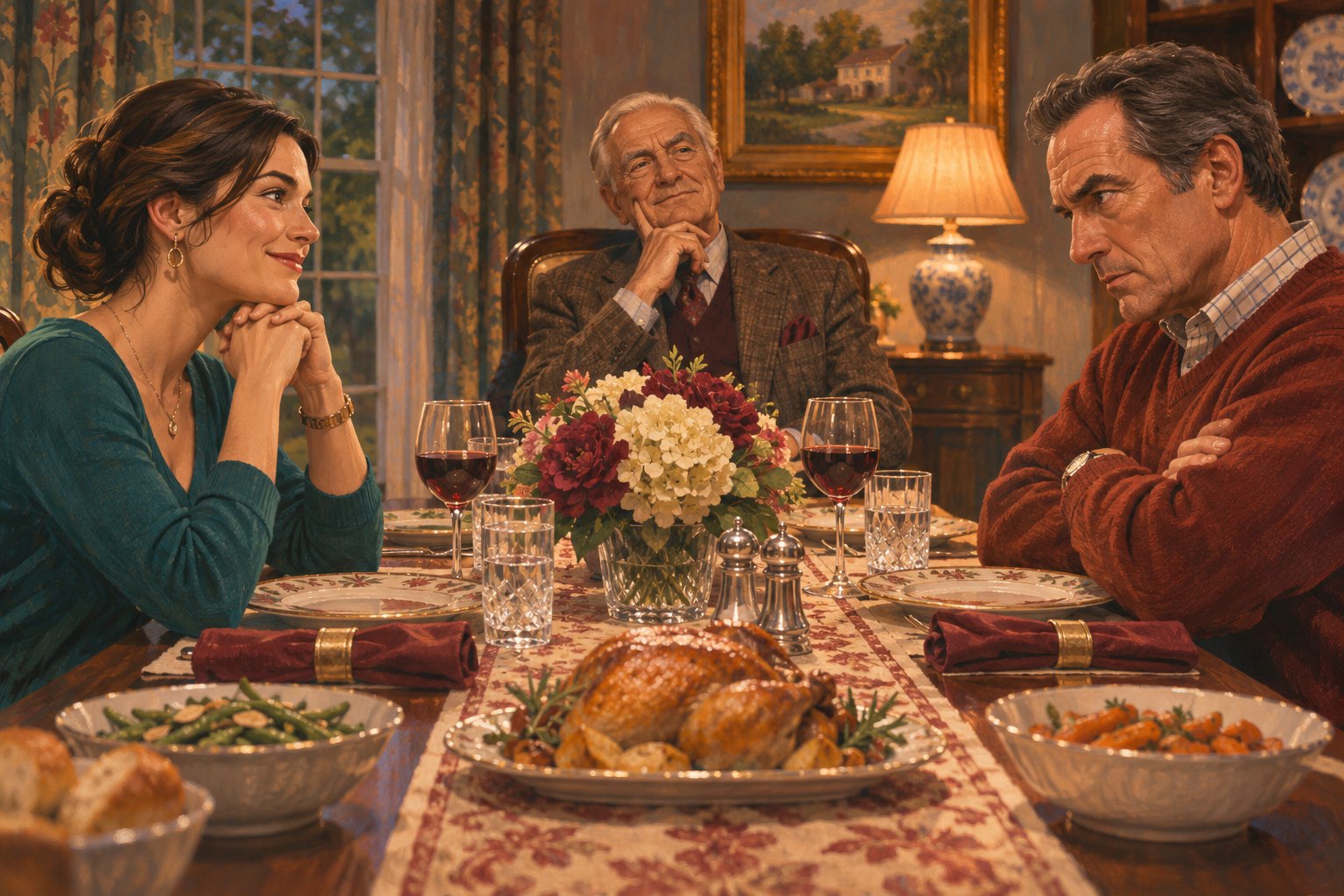
Steven Spielberg’s next reported film project brings an unusually compelling creative partnership into focus: an adaptation of The Heart in Winter, with Paul Thomas Anderson adapting the screenplay and Jessie Buckley, Cillian Murphy, and Mark Rylance starring. Deadline reports that the project is set at Focus. The immediate attraction is obvious, but the more interesting question is what these collaborators might make possible for the characters.
That distinction matters. A production announcement can establish who is involved; it cannot establish whether their eventual film works. What follows is a spoiler-free critical preview, not a review of a completed movie. There is no basis here for judging specific performances, quoting screen dialogue, or interpreting an ending. The strongest reason to pay attention is the relationship between the people shaping the adaptation—and the dramatic choices their collaboration will require.
What the announcement actually establishes
The reported arrangement places Spielberg in the director’s chair and Anderson in the screenwriting role, with Buckley, Murphy, and Rylance attached as stars. Those are distinct contributions, and treating them as interchangeable celebrity endorsements misses the substance of the news. The screenplay will determine what receives dramatic emphasis; the direction and performances will determine how those choices register moment by moment.
The announcement summarized here does not establish character assignments, specific scenes, finished dialogue, or a release date. Nor does the association with Focus reveal the film’s eventual tone, running time, or audience appeal. Those details should remain open rather than being filled in with assumptions.
For viewers deciding whether to follow the project, the practical takeaway is straightforward: this is a significant adaptation to watch because of its reported collaborators. It is too early to recommend the movie itself. As our commentary on film-market enthusiasm and artistic achievement explores, excitement surrounding a project and evidence of its quality are different things.
Spielberg and Anderson: where the creative work begins
The intriguing element of the Spielberg–Anderson pairing is the division of responsibility. An adaptation is already an interpretation before a camera arrives. Choosing which moments become scenes, which thoughts become spoken words, and which relationships receive time changes the audience’s access to a story.
Direction then adds another interpretation. A screenplay may give two people equal amounts of dialogue, while the camera makes one person’s reaction the emotional center. A pause can complicate an apparently sincere statement. Holding a shot after someone leaves can shift a scene’s meaning toward the person who remains.
For this project, the useful question is therefore more specific than whether two celebrated filmmakers can work well together: will the writing and filmmaking give characters room to exceed the audience’s first impressions? That is where collaboration becomes visible as drama. We should be able to understand a decision without necessarily approving of it, and recognize an emotion before a character finds language for it.
My hope is for an adaptation comfortable with that gap between understanding and agreement. A movie becomes richer when its images let us question what its characters say, rather than merely illustrating their explanations. Whether The Heart in Winter achieves that remains a question for the finished work.
Three stars, and the need for three distinct inner lives
Buckley, Murphy, and Rylance make the casting announcement attention-grabbing. But an ensemble’s value cannot be measured simply by adding together its members’ reputations. The essential issue is whether each role has an independent dramatic purpose.
A character needs more than a function in someone else’s story. Who gets to want something? Who is allowed to misunderstand a situation? Whose choices change what happens next? Those questions offer a better way to assess the eventual performances than searching for isolated moments designed to demonstrate acting prowess.

Without verified role assignments, it would be misleading to designate any of these actors as the romantic center, moral authority, antagonist, or outsider. Such labels would also narrow expectations prematurely. An effective performance can make those categories unstable: someone who initially appears reassuring may become difficult to trust, while someone we resist may acquire an intelligible emotional logic.
The most revealing scenes may ultimately be exchanges in which nobody gets exactly what they want. One character seeks reassurance; another offers information. Someone asks a practical question while hoping for an emotional answer. That kind of mismatch is one measure I would bring to the film, not a description of a scene known to exist.
Adaptation is a question of perspective
Bringing a written work to the screen involves more than deciding what to retain. It requires deciding how the viewer will know what a character knows. Prose can explain a private association immediately. A film might need a look, a repeated gesture, an object, or a carefully placed cut to create an equivalent understanding.
This makes perspective especially important. If viewers consistently receive information through one person, they may mistake that person’s interpretation for the movie’s own position. Giving another character an uninterrupted scene can alter that balance without adding a line of explanation.
For Anderson’s adaptation and Spielberg’s direction, the artistic challenge will be to make those choices feel like lived experience. A character should not seem to pause so the film can deliver its themes. Meaning should emerge from what people pursue, avoid, conceal, and fail to recognize.
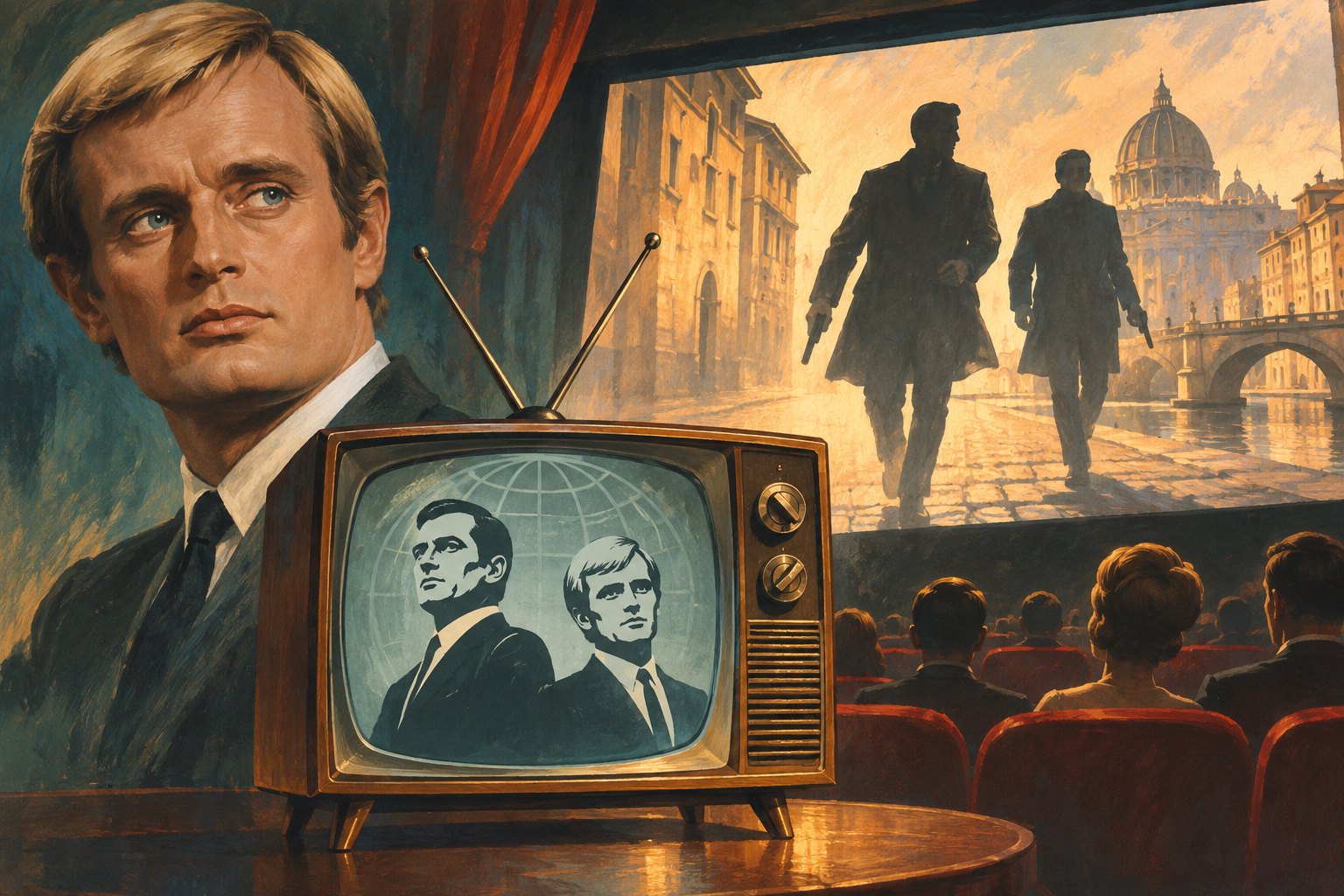
Our review of how The Man from U.N.C.L.E. reinterprets familiar characters considers a related issue: changing a character’s presentation changes the relationships around that character. An adaptation earns its choices through the dramatic consequences they create, rather than through resemblance alone.
What would make the finished film worth discussing?
Three tests seem particularly useful. First, emotional causality: do consequential choices grow out of recognizable desires and pressures? An audience does not need every action explained, but it should be able to trace the tensions that make an action possible.
Second, reciprocal characterization: do the central figures reveal different aspects of one another? A strong ensemble allows relationships to change how we read a person. Someone’s confidence in one interaction might become defensiveness in another, without either version feeling false.
Third, the relationship between dialogue and behavior: do words carry the entire emotional burden, or do performances and images complicate them? A memorable line gains force from its circumstances. Until screen dialogue is available and verified, attributing quotations to this adaptation would manufacture the very evidence a review should examine.
The promise beneath the names
The deeper possibility of The Heart in Winter lies in how many acts of interpretation converge on a character: writing, directing, performing, and finally watching. Each can either simplify that person or make the audience’s judgment more demanding.
That is the standard this announcement invites, even before there is a film to assess. Spielberg, Anderson, Buckley, Murphy, and Rylance provide a reason for curiosity. The eventual achievement will depend on whether their work makes us curious about the people inside the story—and leaves those people more complicated, more understandable, and harder to dismiss than they appeared at first.
Original content by this site's editorial team. Published: November 23, 2026 at 10:12:46 PST (Los Angeles time)