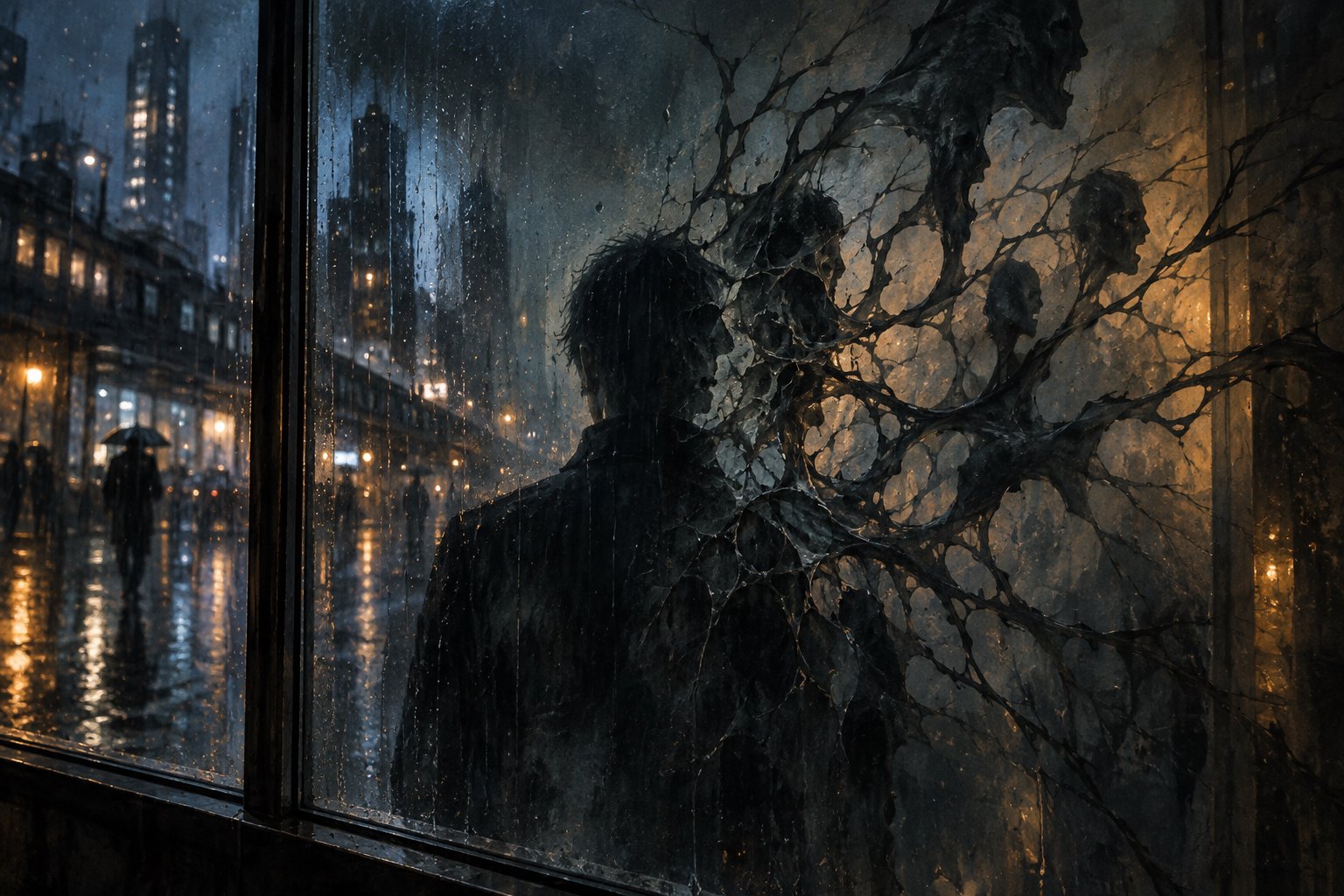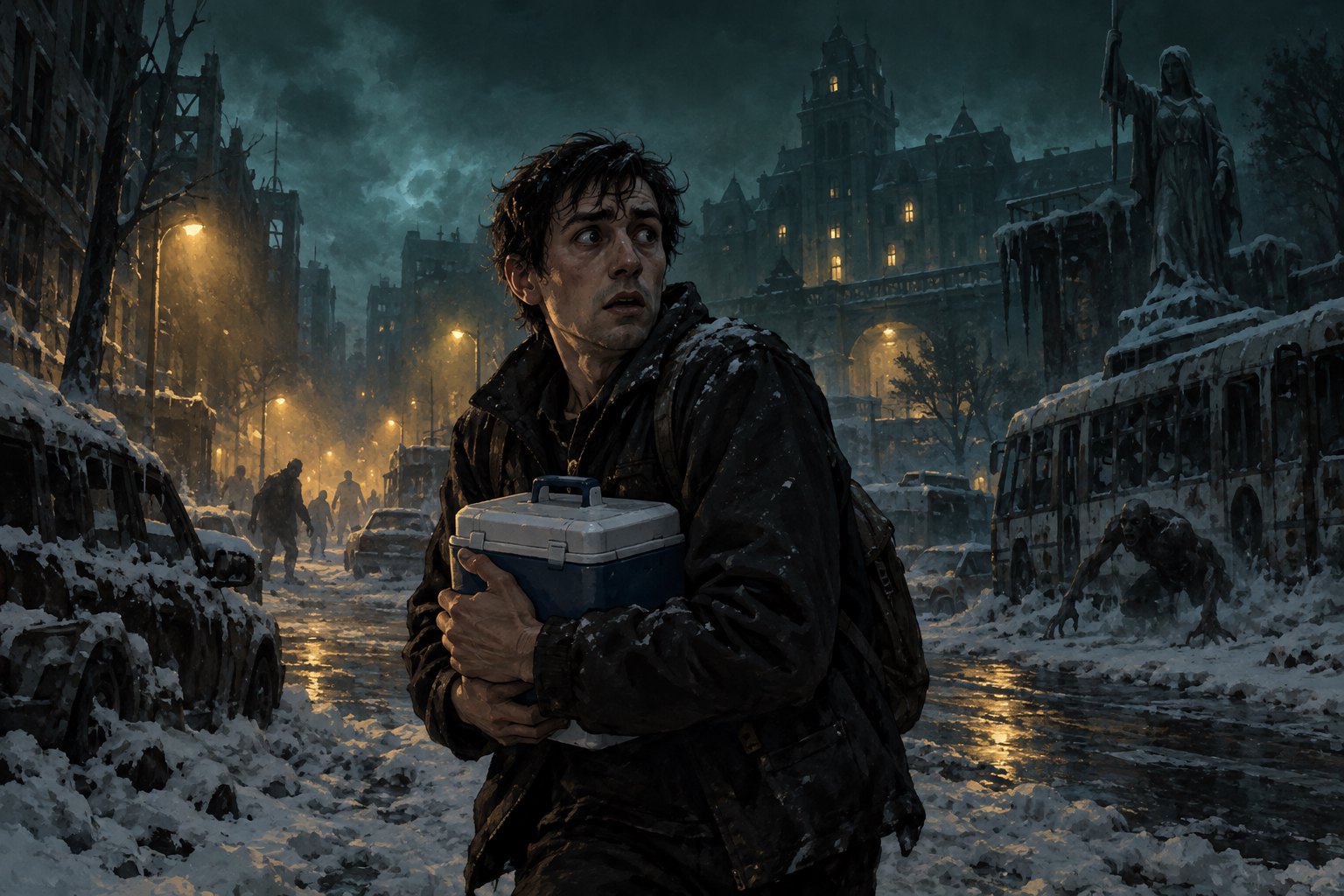
Resident Evil gives its nightmare an unusually ordinary starting point: a worker agrees to make one more delivery. Zach Cregger’s adaptation, starring Austin Abrams as medical courier Bryan, makes that simple assignment a useful way to think about survival horror. A destination provides direction. It cannot promise safety. The tension between those two things is the most interesting thread in this reading of the film.
Spoilers: This critical analysis discusses situations described in published reviews, including later locations and game references. It is an interpretation of those reported scenes, rather than a firsthand screening review.
A delivery route offers a fragile sense of control
Tom Jorgensen’s IGN review establishes Bryan’s initial assignment: take a high-priority package through the mountains to Raccoon City General Hospital. The story then subjects him to dangers for which his everyday experience has left him poorly prepared. [IGN’s Resident Evil review](https://www.ign.com/articles/resident-evil-movie-2026-review).
The occupational detail matters. Delivering something has a measurable endpoint. You can identify the destination, carry the package, and know when the job is done. That makes it an appealing framework for a frightened person: even when the surrounding situation becomes incomprehensible, the task itself remains understandable.
My reading is that Bryan’s job gives the story more than an excuse to move him into danger. It supplies a habit of thought. Keep going. Reach the next place. Solve the immediate problem. Those instructions are useful enough to sustain him, but narrow enough to become a trap. Completing an assignment and understanding what that assignment means are different achievements.
The distinction also keeps this angle separate from Bryan’s unresolved life at home. Here, the important question is what happens when a person relies on a familiar task to navigate an unfamiliar catastrophe.
Locked doors turn progress into a negotiation
Clarisse Loughrey’s account describes Bryan struggling with locked doors, throwing away objects he will subsequently need, and confronting an electric fence. These details establish a world in which movement depends on small practical decisions. [The Independent’s review](https://www.the-independent.com/arts-entertainment/films/reviews/resident-evil-review-zach-cregger-b3051331.html).
A locked door is a particularly effective obstacle because its purpose is instantly legible. Bryan does not need a complete explanation of the outbreak to understand that he must get through it. The audience can share his objective without sharing any specialist knowledge of Resident Evil.
There is also something cruelly impersonal about a lock. Fear does not persuade it. Good intentions do not change its mechanism. A person can be in extraordinary distress and still have to perform an ordinary action correctly. That collision makes mundane objects suitable partners for the monsters: they consume the time and attention needed to escape.
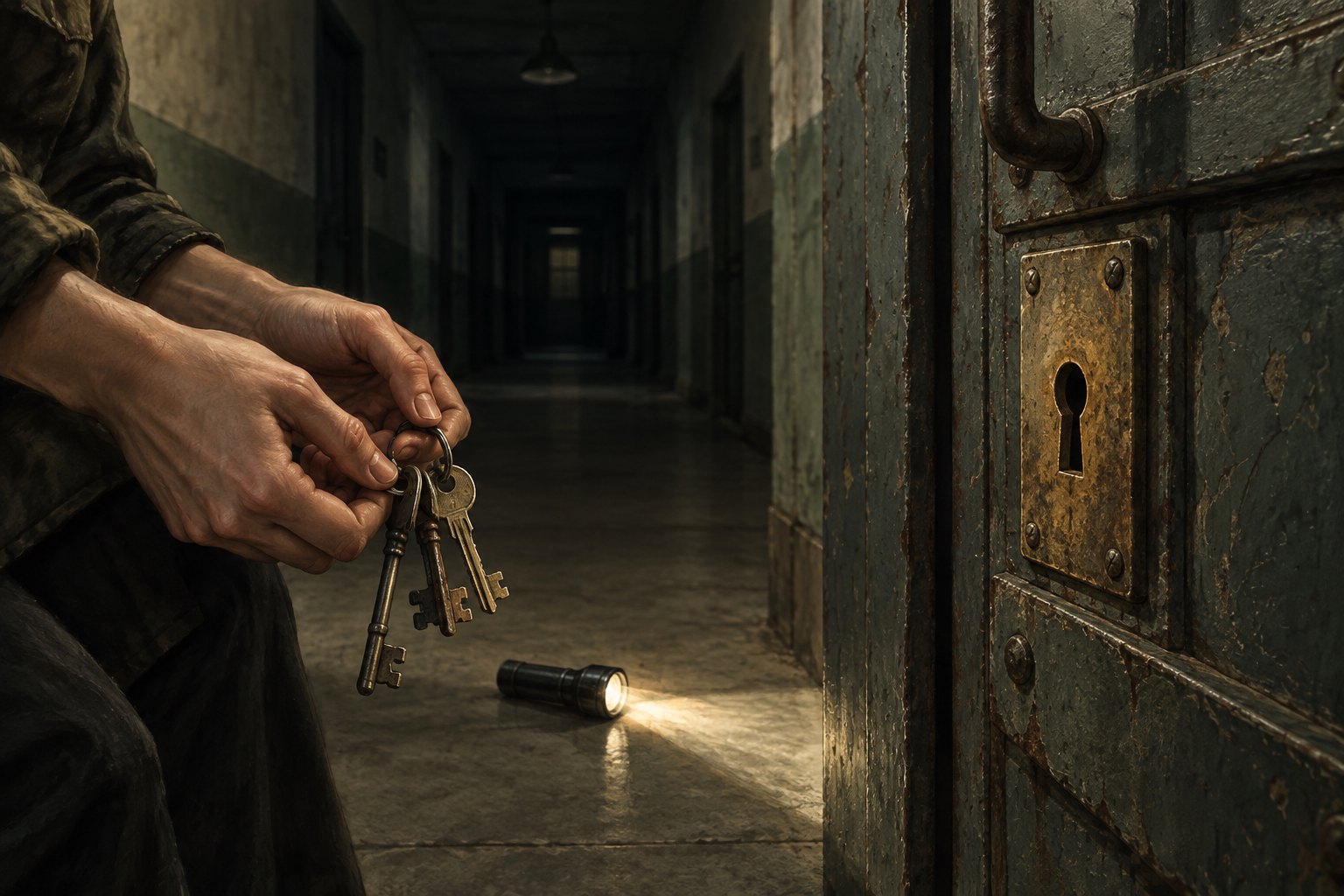
Discarding something useful adds another kind of pressure. A decision that seemed reasonable moments ago becomes a liability. In character terms, the mistake makes Bryan accountable to his own recent judgment. He is not simply unlucky; he must live with choices made before he knew what mattered.
This is where the practical structure becomes emotionally productive. The viewer can understand a mistake and still dread its consequences. Identification does not require believing that Bryan makes the best decision. It requires recognizing why he might make it.
Knowing the rules does not mean controlling the situation
“I only use guns in video games,” Bryan says in dialogue quoted by Time Out. His admission is funny because it names the gap between familiarity and competence. Recognizing a tool does not mean knowing how to operate it while terrified. [Time Out’s review](https://www.timeout.com/movies/resident-evil-review-2026).
Our discussion of Bryan’s unreliable aim considers the comic side of that gap. Its larger significance here concerns expectation. Games teach players that obstacles have solutions. Bryan’s problem is that the existence of a solution offers little comfort when he lacks the skill, information, or composure to find it.
His accompanying observation, “It’s confusing in real life,” is more revealing than a knowing reference needs to be. Confusion means that even a clear objective can leave the next action uncertain. A destination answers where to go; it does not answer how to survive getting there.
That is a useful distinction for judging an adaptation. Recognizable imagery can reward memory. A difficult action can create immediate involvement. The latter has value even for someone encountering this fictional world for the first time.
The cost of making everyone part of the route
IGN identifies a limitation in the supporting characters, who receive relatively little time beyond their immediate narrative functions. Paul Walter Hauser’s Umbrella employee is one example of a figure Bryan encounters during the continuing rush forward.
From Bryan’s perspective, that compression is understandable. A frightened courier needs directions, usable information, and a way out. He has little opportunity to understand everyone he meets. A tightly restricted perspective can therefore make brief encounters feel appropriate to his experience.
As drama, however, the same approach carries a cost. When another person primarily supplies information, that encounter can feel like an instruction being delivered. We learn what the protagonist must do next without necessarily learning much about either participant.
My reservation is structural: a succession of obstacles can sustain urgency while limiting emotional accumulation. For the journey to deepen, something about an encounter must remain after Bryan leaves it. A changed assumption, a troubling obligation, or a difficult choice can do that work. Merely increasing the difficulty cannot always substitute for it.
Game references and the promise of relief
William Bibbiani’s review identifies a typewriter in a solitary room and a silver case containing guns among the film’s references to the games. These are reported visual details, not evidence of an additional hidden storyline. [TheWrap’s review](https://www.thewrap.com/creative-content/movies/resident-evil-2026-review-zach-cregger/).
What interests me about those objects is their modest scale. A room, a desk object, or a container can briefly redirect attention from an overwhelming threat to something a person might inspect or use. Their dramatic potential lies in that change of scale: the world becomes approachable for a moment.
For Bryan, such possibilities belong to the same emotional logic as the delivery itself. A manageable action offers relief from an unmanageable situation. That does not make his persistence foolish. It makes it recognizable.
The deeper interpretation is that Resident Evil turns practical competence into a fragile source of hope. Bryan can keep trying without possessing the larger picture. He can make progress without securing control. The compelling question is therefore not simply whether he reaches the next destination, but how long he can trust destinations to mean anything at all. A completed task may close one problem while leaving the person who completed it profoundly exposed.
Original content by this site's editorial team. Published: September 17, 2026 at 02:09:55 PDT (Los Angeles time)