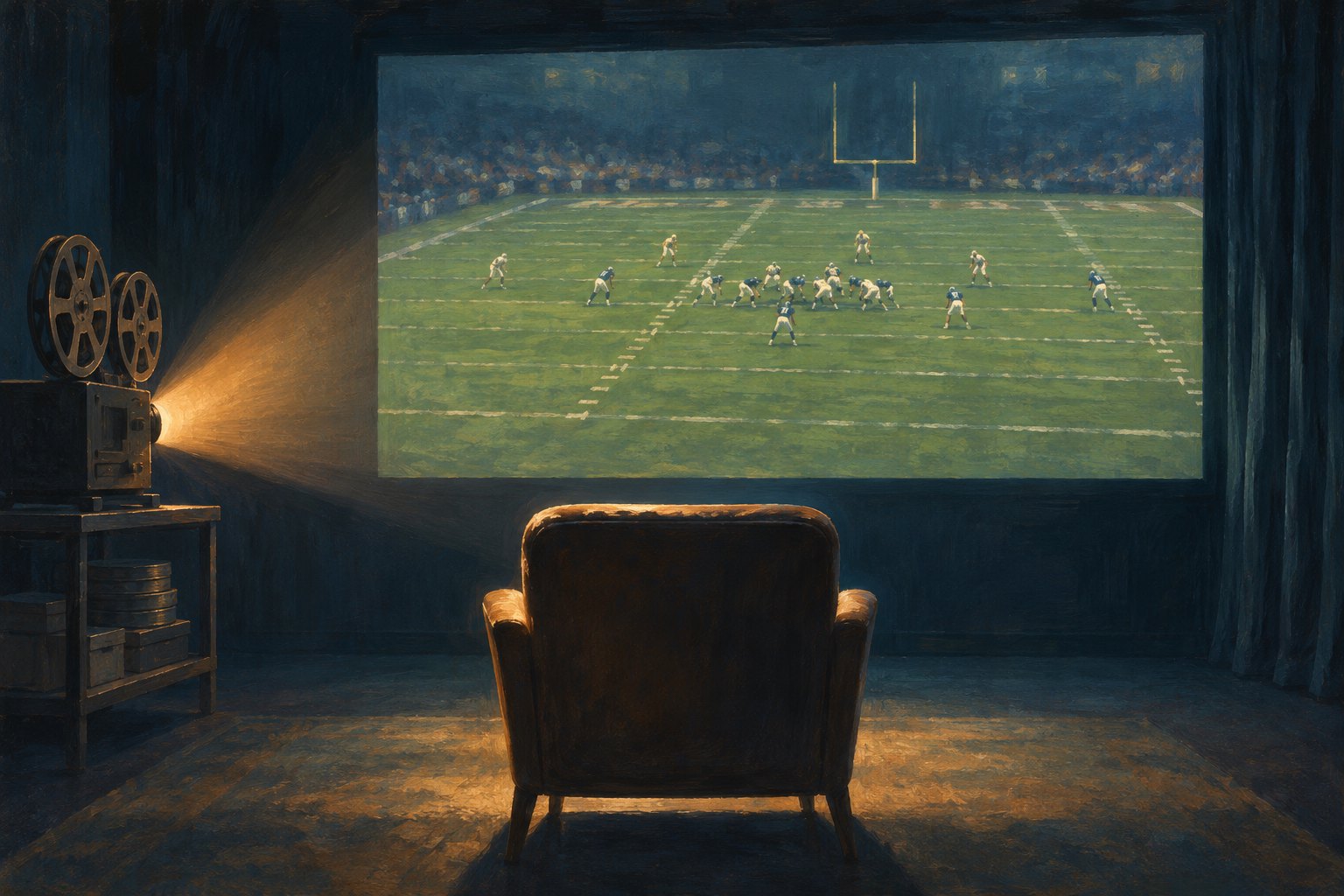
“Film Don’t Lie | Lincoln Fa’alafi,” published by Irish Sports Daily, concerns sports film study rather than a feature film. Readers looking for a movie synopsis or a performance review should begin with that distinction. Its title nevertheless presents a proposition that belongs at the center of screen criticism: recorded images offer evidence, but understanding that evidence requires more than pressing play.
For a movie audience encountering Fa’alafi’s name through this headline, the useful question is what film study can establish about a person—and where interpretation begins. This is commentary on that question, not a firsthand assessment of his footage. There is no fictional character arc to reconstruct or movie dialogue to quote. The subject is a real person, and the difference matters.
The promise inside “Film Don’t Lie”
The title has an appealing directness. It suggests that reputation and rhetoric can be tested against something visible. Instead of accepting an adjective, a viewer can look for the action that might justify it. That is a valuable instinct in sports analysis and an equally valuable habit in film criticism.
But an image and a conclusion are different things. A recording might establish that a movement occurred. Whether that movement demonstrates consistency, judgment, adaptability, or future potential requires additional reasoning. The camera does not automatically supply those connections. Someone has to make them, and viewers should be able to follow the argument.
Applied to coverage of Fa’alafi, that distinction protects the usefulness of the footage. An analyst’s interpretation can be insightful without becoming an unquestionable fact. The strongest explanation identifies what is visible, describes why it matters, and acknowledges what the recording leaves unresolved.
My view is that the title works best as an invitation to inspect evidence. Read as a promise that images explain themselves, it asks them to do too much.
Keep Fa’alafi separate from the story viewers expect
Movies train us to recognize protagonists quickly. A figure receives attention, an obstacle becomes apparent, and we start anticipating a payoff. That habit can follow us into coverage of real people. Once a name becomes the center of a presentation, every subsequent detail can begin to feel like another step toward an inevitable ending.
Fa’alafi deserves to be approached without that imposed certainty. A viewer should not translate an impressive moment into a complete personality, or a difficult moment into a permanent limitation. Both responses substitute a convenient story for a more demanding assessment.
Character analysis in fiction often asks what a person wants and how their actions express that desire. With a real subject, visible behavior alone may not establish private motivation. A recording cannot necessarily tell us what someone was instructed to do, what they noticed, or what alternatives they believed were available.
That makes restraint productive. Describe the action first. Offer a possible explanation second. Keep claims about inner life separate unless the person has actually expressed those thoughts. This approach gives Fa’alafi more room to remain a person rather than a role assigned by spectators.
The frame decides what evidence reaches us
Every camera position makes some relationships easier to see and others harder. A wide image can preserve spacing and simultaneous movement. A closer image may reveal a specific physical adjustment while removing the surrounding activity that helps explain it. Neither view is inherently complete.
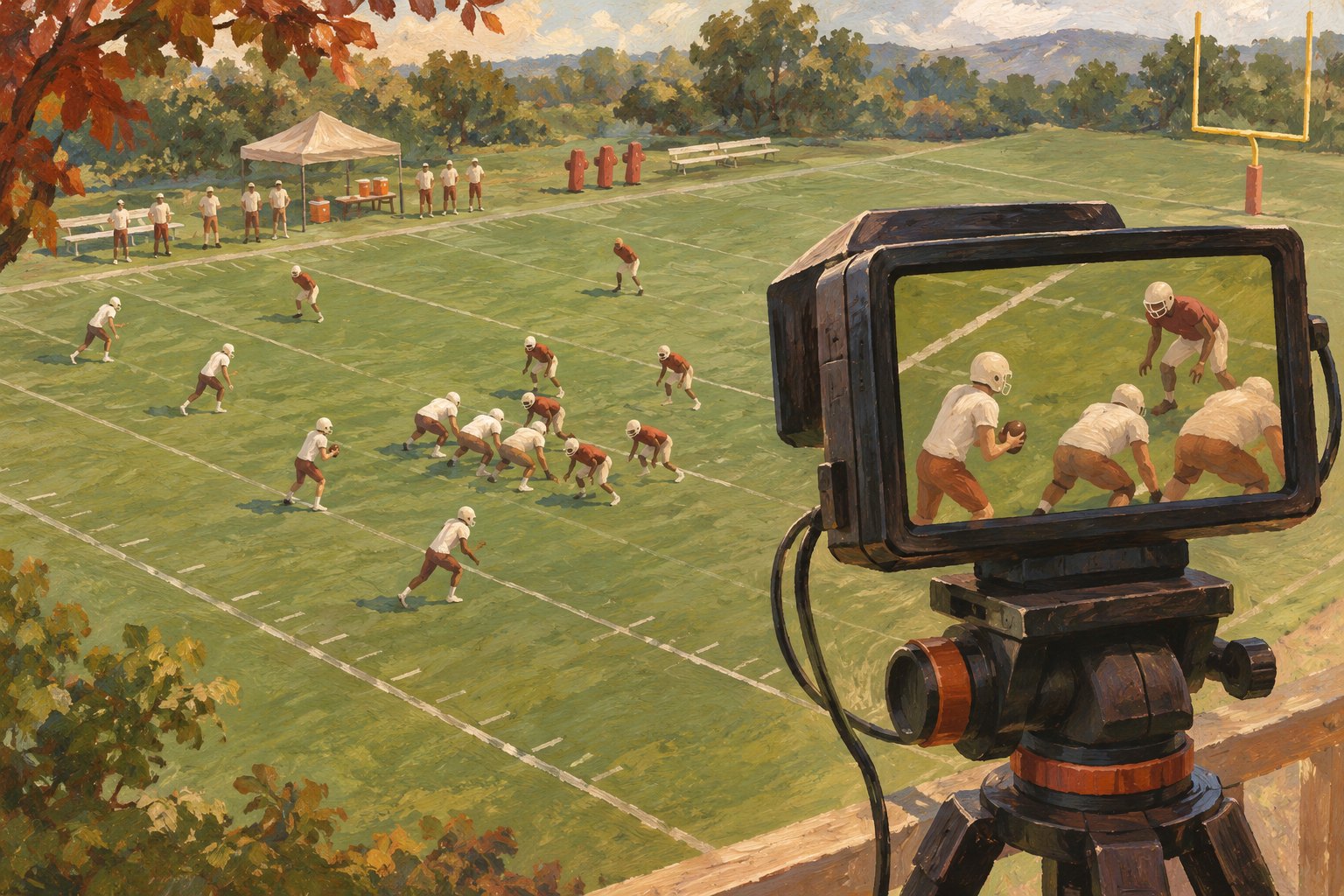
When approaching footage associated with Fa’alafi, a useful first question is whether the relevant action remains visible from beginning to end. If the camera loses part of an exchange, the missing information should remain missing in the assessment. Viewers should resist completing it from expectation.
The same principle applies to duration. A short excerpt can clarify a particular action while concealing what preceded or followed it. That does not make the excerpt dishonest. It makes its evidentiary value specific. A few seconds can support a narrow observation more securely than a sweeping verdict.
Our discussion of what shapes our screen judgments explores the broader influence of context. Here, the practical response is to ask which conclusions the frame actually permits.
Selection creates emphasis, even without changing an image
A sequence of authentic moments can still produce a selective impression. Choosing examples is part of explanation: nobody can show everything at once. The critical question is whether the examples support the scope of the claim being made.
One successful action can demonstrate a possibility. Several similar actions may suggest a pattern. Establishing reliability requires knowing more about the opportunities that were included and those that were left out. These are different levels of confidence, and useful analysis keeps them distinct.
This is a general viewing principle, not an allegation about the editing of Fa’alafi’s footage. Without examining a complete sample, it would be inappropriate to declare that a presentation exaggerates or understates anything. The responsible move is to recognize what additional material would help resolve the question.
Commentary also directs attention. An adjective supplied before a clip can become the lens through which the clip is watched. A practical countermeasure is to describe the visible action in plain language before adopting the commentator’s judgment. Our article on listening closely before deciding whom to believe considers a related problem: persuasive framing can arrive before the audience has assessed the evidence.
A practical way to approach footage of Fa’alafi
A careful viewing process need not drain the enjoyment from discovery. It simply gives an initial impression something firmer to stand on.
- Identify the subject reliably. Establish which person to follow before evaluating movement. If identification is unclear, do not guess.
- Watch the full visible sequence. Notice the setup, the action, and its immediate result before isolating a striking instant.
- Separate description from evaluation. Write down what happened before deciding whether it demonstrates a broader quality.
- Look for comparable examples. Repetition across different situations supports a stronger judgment than replaying the same moment.
- Name the remaining uncertainty. Missing context, an obstructed view, or an unknown assignment should limit the conclusion.
These steps are especially useful when enthusiasm arrives quickly. They allow viewers to appreciate a compelling image while remaining precise about what impressed them.
The deeper question is what we ask images to prove
The most interesting tension in “Film Don’t Lie” is between the solidity of a recorded moment and the openness of its meaning. Something happened in front of a camera. What that event tells us about a person, and what it predicts, are further questions.
For coverage centered on Lincoln Fa’alafi, the fairest response is attentive curiosity. Let the evidence support specific observations. Let interpretation remain open to revision. Above all, leave room for the person on screen to develop beyond the story a viewer finds easiest to recognize.
Good screen criticism makes looking more exact. The useful promise of film study is that we can return to an image, notice more, and improve our judgment. The footage remains available; our first impression does not have to remain final.
Original content by this site's editorial team. Published: November 27, 2026 at 07:05:01 PST (Los Angeles time)