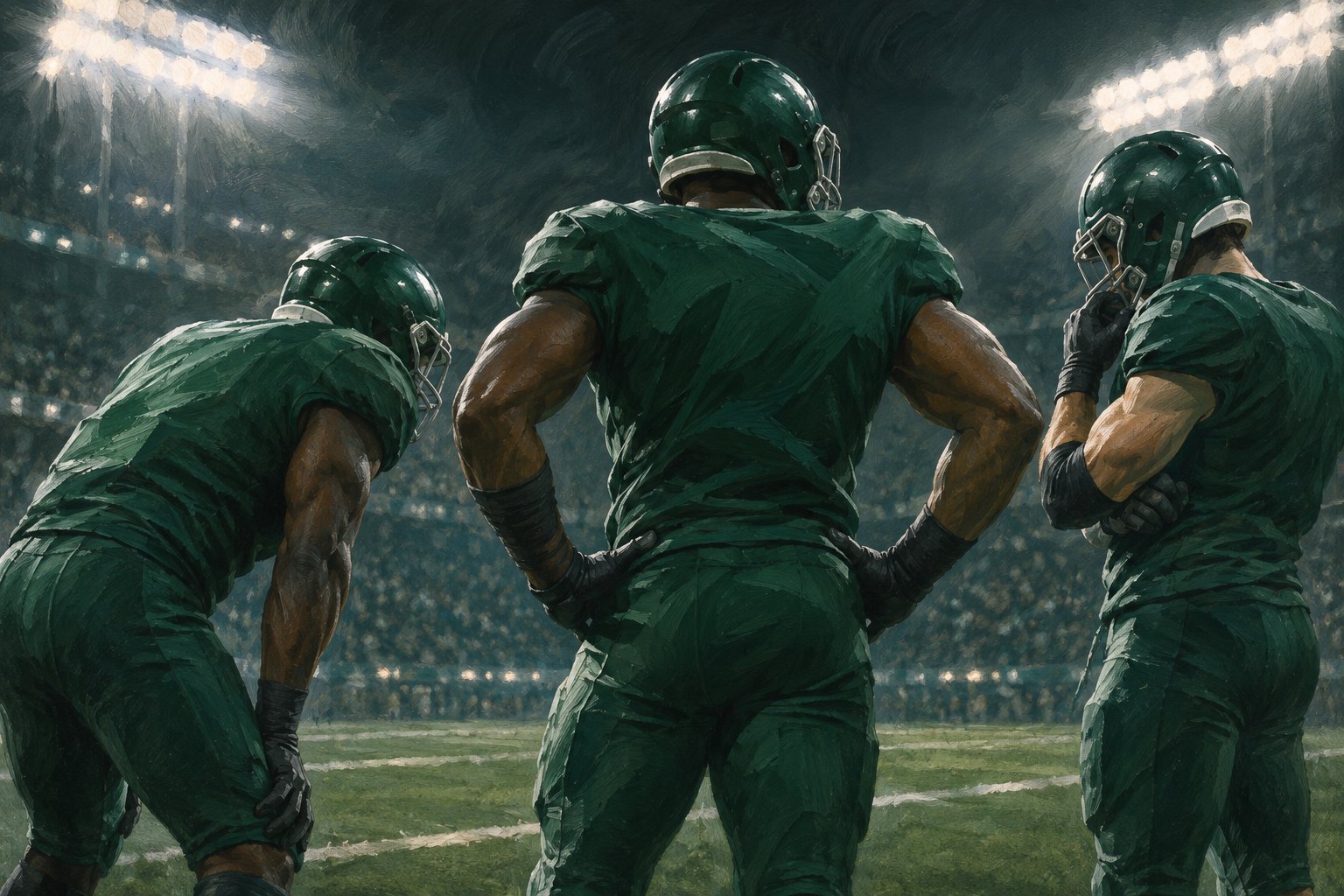
The Eagles need their leading defenders to make the defense more dependable. That is the central challenge in Bleeding Green Nation’s criticism of Philadelphia’s defensive performance, and it raises a useful question: what should playing up to a reputation actually look like on film?
My view is that the answer begins with consistency. A defender’s most valuable contribution may be closing an escape route, preserving outside leverage, or completing an ordinary tackle. Spectacular plays matter, but they cannot substitute for the work that allows the other ten players to trust the structure around them.
This is commentary on that defensive accountability argument. Here, film review means football game footage. It is not a movie review or a verified breakdown of particular Eagles snaps; no specific player, assignment, or game sequence is being graded.
Turn the criticism into a testable claim
Saying that the best players must play better expresses frustration clearly. As analysis, however, it needs a second sentence. Better at what? Beating a blocker? Recognizing a developing route? Staying in position long enough for a teammate to finish?
Those distinctions matter because an unsuccessful defensive play can contain several successful individual efforts. The reverse is also possible: an offense can fail despite a defender making a mistake. An incomplete pass does not automatically validate the coverage, just as a completion does not automatically condemn the nearest defensive back.
The productive version of the criticism asks whether Philadelphia’s most trusted defenders repeatedly create the advantages their roles require. That standard allows room for difficult assignments and capable opponents. It also prevents reputation from becoming an excuse when a correctable problem keeps appearing.
Watch each defender’s choices before judging the ending
The pass rusher: pressure with somewhere to go
For a pass rusher, the obvious image of success is reaching the quarterback. But the route taken matters. In a hypothetical snap, a rusher could beat the outside shoulder of a blocker and still travel too far behind the pocket to affect the throw. An impressive burst would then produce less value than it initially appears to promise.
Watch the relationship between the rusher and the quarterback’s available space. Does the rush force movement toward another defender, or leave a comfortable opening? Does the defender remain involved after the first move fails? These questions describe useful review criteria; they do not establish that a particular Eagles player has committed either mistake.
The coverage defender: position before reaction
A defensive back works with incomplete information. The receiver knows the intended route, while the defender has to interpret movement within the coverage assignment. A sudden change of direction can therefore be evidence of deception, an adjustment, or a recovery. The movement alone does not settle which.
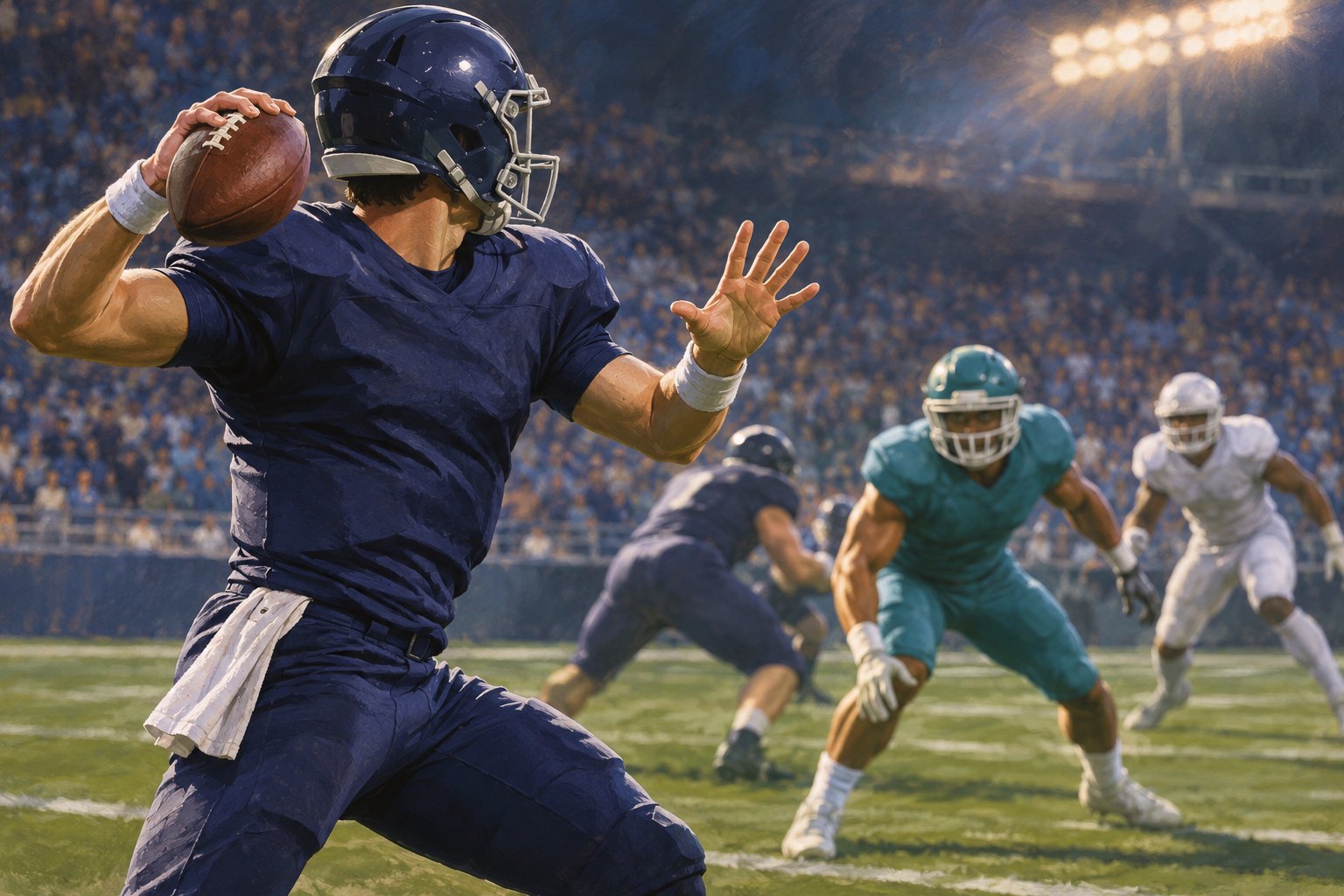
Our discussion of how to read a quarterback’s pump fake on the rewind offers a related viewing principle: follow what the defender could see before judging the response. For Eagles coverage analysis, that means studying initial alignment, body orientation, and nearby help before focusing on the catch.
The pursuit defender: finish without making the opening larger
Once the ball moves into space, urgency becomes visible. Control is harder to appreciate. A defender racing toward the ball can appear more committed than one approaching at a measured angle, even when the second path offers a better chance of containing the runner.
In evaluating Philadelphia’s defensive leaders, the useful question is whether their approach narrows the ball carrier’s options. Effort deserves attention, but speed toward the action and effective pursuit are different things. Film can help separate them when the camera shows enough of the field.
The nearest player is not automatically responsible
Football footage invites a familiar storytelling shortcut: identify the person closest to the disappointing ending and make that person its cause. A receiver catches the ball beside a cornerback, so the cornerback becomes the explanation. A runner passes a linebacker, so the linebacker becomes the problem.
That can be correct. It can also miss the earlier action that changed everyone else’s responsibilities. A block, a lost position, or a coverage exchange may have created the difficulty before the broadcast camera made it obvious.
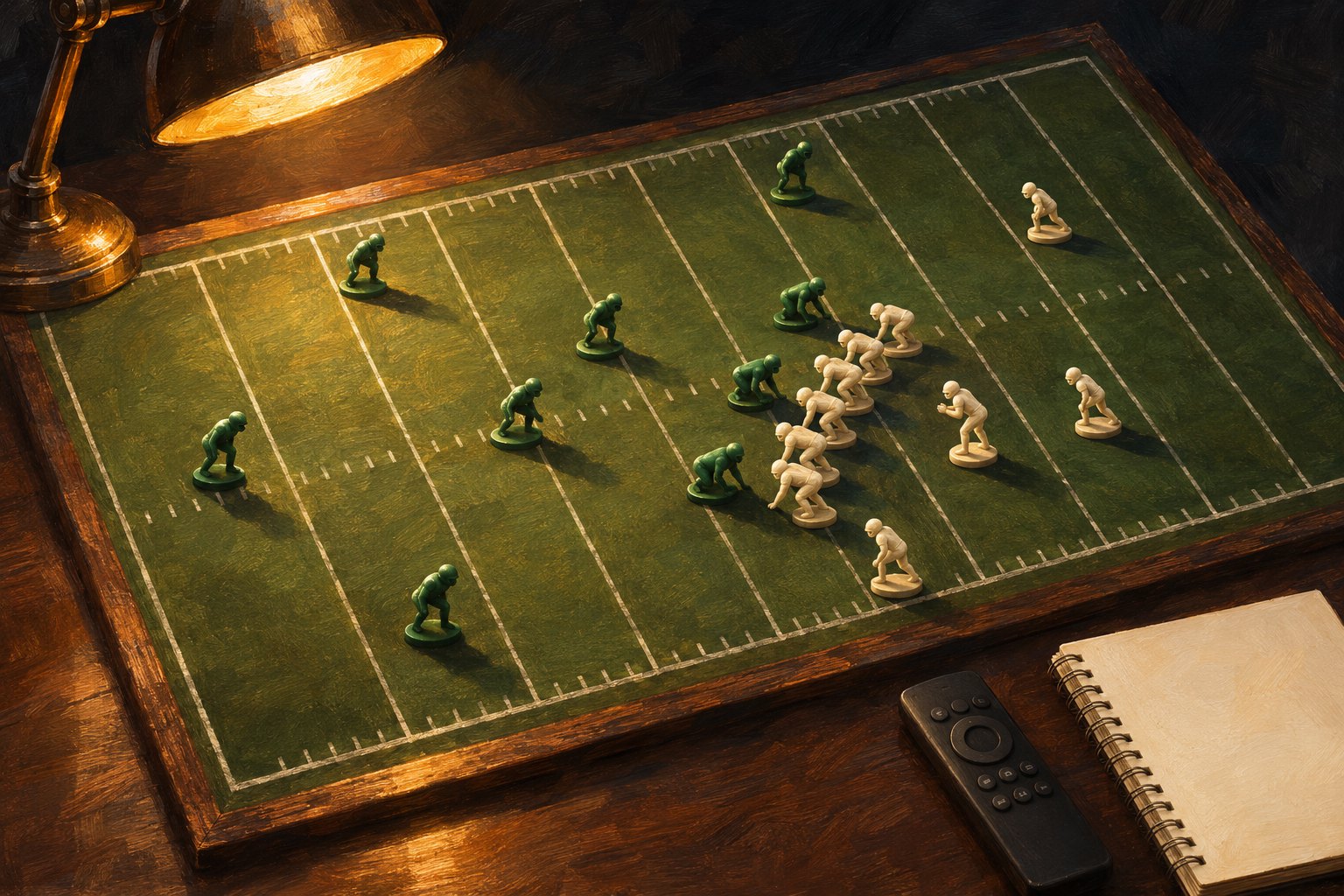
The illustration above is conceptual, not a reconstruction of an Eagles play. Its wider perspective captures why spacing matters: individual actions acquire meaning through their relationship to the whole defense.
There is a limited parallel with the collaborative craft discussed in our commentary on individual expression in film production. A contribution becomes clearer when considered alongside the work around it. On a football field, however, that principle must remain grounded in visible positioning and known responsibilities, rather than a compelling story about personality.
A practical way to review the Eagles’ defensive leaders
A fair assessment needs more than a compilation of disappointing endings. When reviewing available footage, use a consistent sequence:
- Watch the whole play at normal speed. Establish the timing before slow motion makes every decision seem leisurely.
- Return to the alignment. Note where the defender starts and which teammates are nearby. Avoid treating an apparent assignment as a confirmed one.
- Follow one player through the snap. Track the first movement, response to contact or route development, and finish.
- Rewatch the surrounding players. Look for interactions that explain why the initial path changed.
- Compare similar situations. A recurring issue provides a stronger basis for criticism than one isolated loss.
Keep observation separate from explanation. “The defender moved inside” describes something visible. “The defender ignored the call” claims knowledge of an instruction. Unless that instruction is established, the second statement goes beyond what the footage proves.
What improvement should mean for Philadelphia
For the Eagles’ leading defenders, a meaningful response would be a pattern of reliable execution: fewer avoidable openings, sound finishes, and more snaps on which individual wins benefit the unit. Those are proposed standards for improvement, not claims about changes already observed.
The distinction is especially useful when evaluating a celebrated player. Expectations can distort judgment in both directions. Viewers may forgive repeated errors because they remember past excellence, or interpret every ordinary defeat as evidence of decline. Neither approach gives the current performance a fair hearing.
My reading of the accountability argument is that a defense’s best players should reduce how often teammates must compensate for them. Their value includes making surrounding decisions simpler: allowing another defender to maintain position, trust the available help, or commit to a tackle without covering two threats at once.
That is the deeper issue behind the demand for Philadelphia’s best defenders to deliver. The strongest response would be sustained evidence that the defense can rely on them. A memorable highlight can change a possession. Dependable work changes what the entire unit can attempt.
Original content by this site's editorial team. Published: November 4, 2026 at 10:42:18 PST (Los Angeles time)