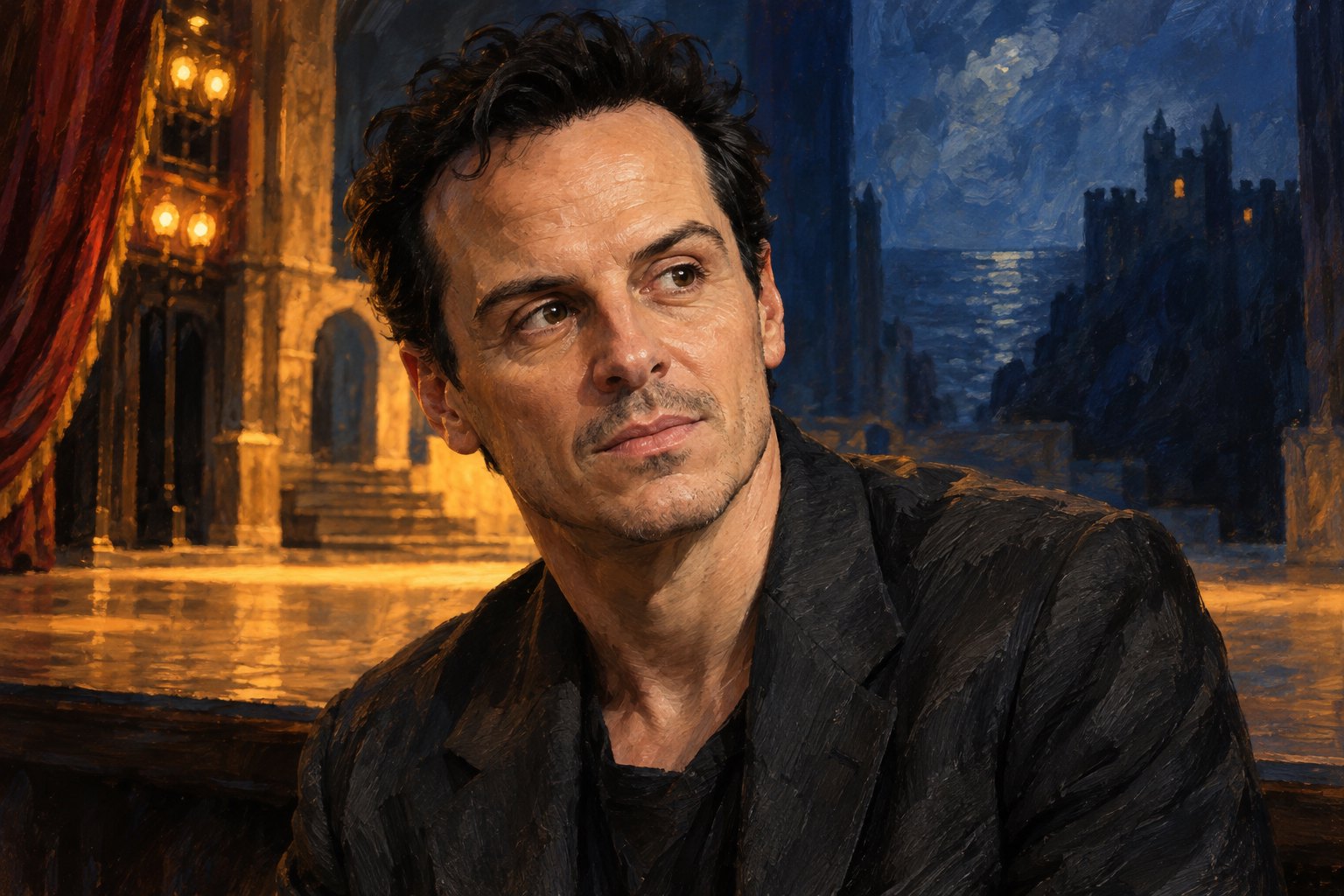
Babies makes uncertainty about parenthood the center of an adult love story. Written and directed by Lauren Miller Rogen, the comedy stars Anna Kendrick and Seth Rogen as a married couple confronting a question that affection alone cannot answer: whether the life they enjoy should include a child. The intriguing element is the starting point—a relationship with happiness already in it, before anyone decides what comes next.
Scope and spoilers: This is a critical companion to the film’s confirmed premise and public interviews, rather than a firsthand screening review. It discusses the initial character circumstances without revealing an ending. Unverified dialogue, individual scenes, and performance judgments are excluded.
A household turns an abstract decision into daily life
The central setup is straightforward. A happily married couple surrounded by friends with children welcome a divorced friend, played by Kate Berlant, and her daughter into their home. Living together brings the question of parenthood closer than an occasional visit could. The acquisition announcement identifies Roadside Attractions and Vertical as the film’s U.S. distributors, with a theatrical release being considered for 2027 rather than a fixed opening date. [Acquisition reporting](https://nz.news.yahoo.com/roadside-attractions-vertical-first-tiff-173000602.html)
As a dramatic premise, this arrangement has a useful complication: hospitality carries obligations before it supplies answers. The visiting mother needs somewhere to live. Her daughter needs care and stability. Their presence cannot fairly be reduced to an experiment conducted for the benefit of two undecided adults.
That distinction gives the story an ethical center. Helping someone with a child may reveal patience, affection, irritation, or limits. None of those reactions automatically settles whether a person wants permanent responsibility for raising one. The capacity to care and the desire to become a parent overlap, but they are different questions.
Annie and Aaron begin with something worth protecting
Kendrick plays Annie; Rogen plays Aaron. In their Vanity Fair interview, Kendrick describes the couple as connected and confronting decisions together. The same report establishes Annie’s other pressures: her mother’s worsening Alzheimer’s, her father’s distress, and a prospective business with a friend played by Issa Rae. These circumstances locate her uncertainty within an already demanding life. [Cast and filmmaker interview](https://www.vanityfair.com/story/babies-movie-first-look-seth-rogen-toronto)
My reading of that setup is that the relationship’s stability matters as much as the prospect of change. A happy marriage supplies a real present against which an imagined future must be measured. Choosing what comes next involves asking what the couple values now, which parts of their lives they hope to expand, and which commitments they can realistically sustain.
For Aaron, approaching the question as a partner requires more than being agreeable. For Annie, uncertainty deserves room to exist without becoming a character defect. Those are interpretive stakes, not claims about particular exchanges in the finished film. They explain why this premise can support a substantial adult drama without requiring either spouse to become an antagonist.
The emphasis on understanding a character through existing relationships also connects with our discussion of identity, work, and care in Elsinore. Major decisions become more revealing when a story acknowledges the person making them already belongs to several overlapping worlds.
Childlessness describes a circumstance, not a personality
A useful way into Babies is to resist treating adults without children as a single category. Some want children. Some do not. Others remain uncertain, and that uncertainty can be thoughtful rather than evasive. A description of someone’s household does not explain their ambitions, disappointments, or emotional availability.
The distinction matters for character criticism. If viewers assume that hesitation means selfishness, they begin judging the protagonists before considering their circumstances. If they assume that enjoying a child’s company must reveal a suppressed wish for parenthood, they turn affection into evidence for a conclusion they have already chosen.
Both shortcuts flatten the question. A person can enjoy caregiving while recognizing that full-time parenthood would reshape a life they value. Someone can also feel anxious about that responsibility and still want it deeply. Contradictory feelings are precisely what make the subject suitable for comedy and drama.
Where the humor could find its sharpest target
The richest comic opportunity in this premise lies in the gap between private uncertainty and other people’s confidence. Questions about children can sound casual to the person asking them while demanding an intimate account of someone else’s future. That imbalance provides recognizable social friction.
For me, the useful critical test is where a joke places its sympathy. Humor that exposes intrusive certainty can give undecided characters breathing room. Humor that treats an exhausted mother as proof that parenting is foolish, or an adult without children as inherently immature, would make the discussion smaller.
This remains a criterion for assessing the film, not a verdict on its execution. A synopsis cannot establish comic timing, tonal control, or whether an emotional transition feels earned. Those qualities require attention to the finished scenes, beyond a promising subject or an appealing cast.
Care is larger than the decision to have a baby
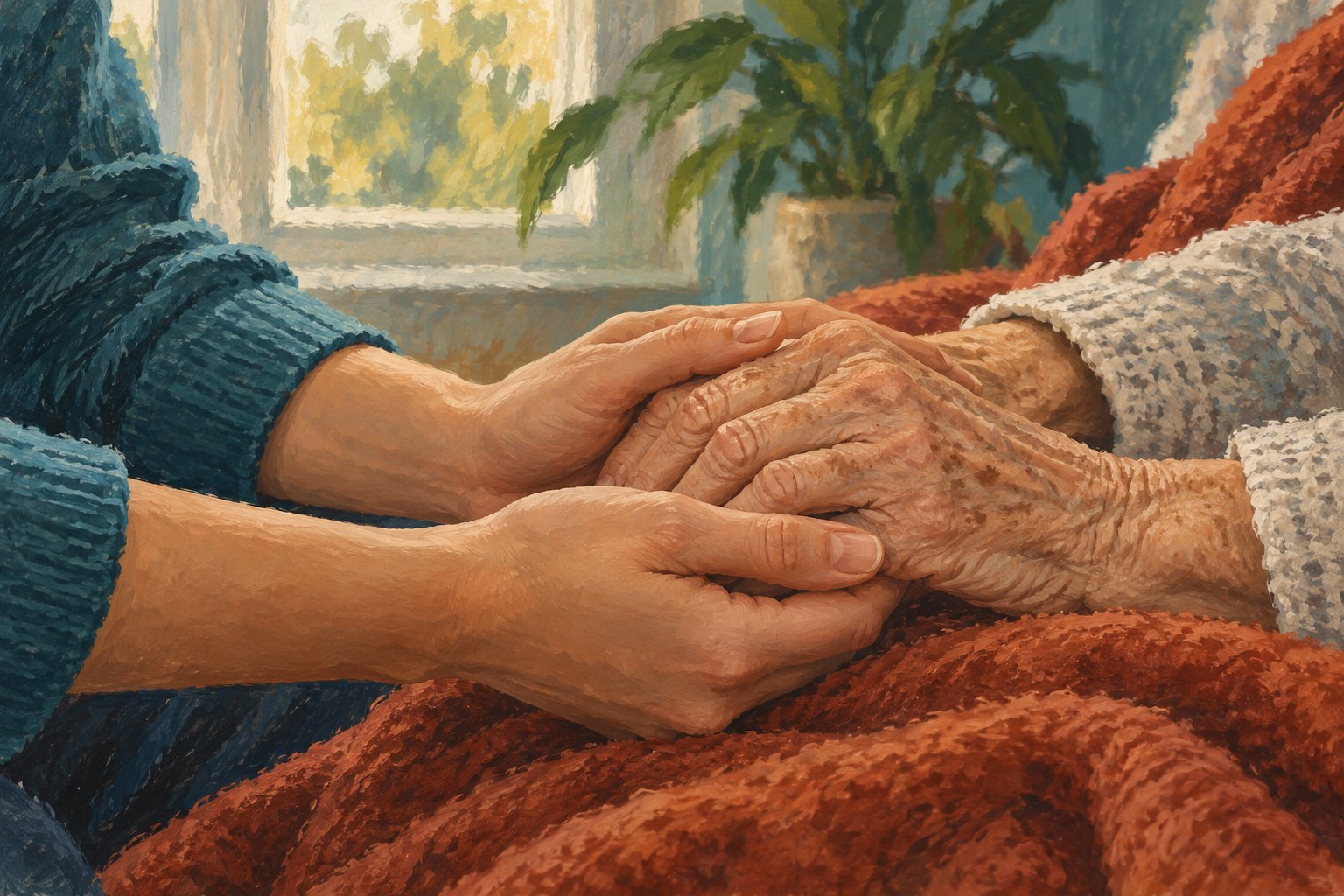
The broader interpretive question is what counts as a responsible adult life. Parenthood is one profound commitment among several. Friendship, partnership, and supporting older relatives can also involve sacrifice, attention, and difficult choices. Recognizing those commitments gives a discussion of childlessness greater depth.
It also changes the meaning of a shared home. A household can become a place of practical support without every person inside it occupying a conventional parental role. The mother and daughter in this premise make that possibility especially relevant: a couple’s help has value in the present, independently of whatever decision they eventually make.
Questions about the expectations attached to domestic life also inform our analysis of marriage and social judgment in Woman Unknown. The films have very different circumstances, but both invite attention to the distance between a recognizable household arrangement and the complicated people living within it.
The deeper question: permission to value the present
The most compelling idea in Babies is the possibility that a life can already be meaningful while its owners remain unsure about its next chapter. That interpretation leaves room for parenthood to be desired without making it a universal measure of maturity.
It also gives uncertainty dignity. Annie and Aaron’s decision matters because it belongs to them and will affect other people—not because either possible answer must validate everyone else’s choices. The premise is strongest when approached through that individual responsibility.
My interest in the film rests there: in the space between having love to give and deciding how to give it. A satisfying exploration would make that space feel inhabited, with obligations, pleasures, and genuine limits. The question worth carrying into Babies is how clearly it allows its characters to understand the lives they are choosing.
Original content by this site's editorial team. Published: September 13, 2026 at 09:21:50 PDT (Los Angeles time)