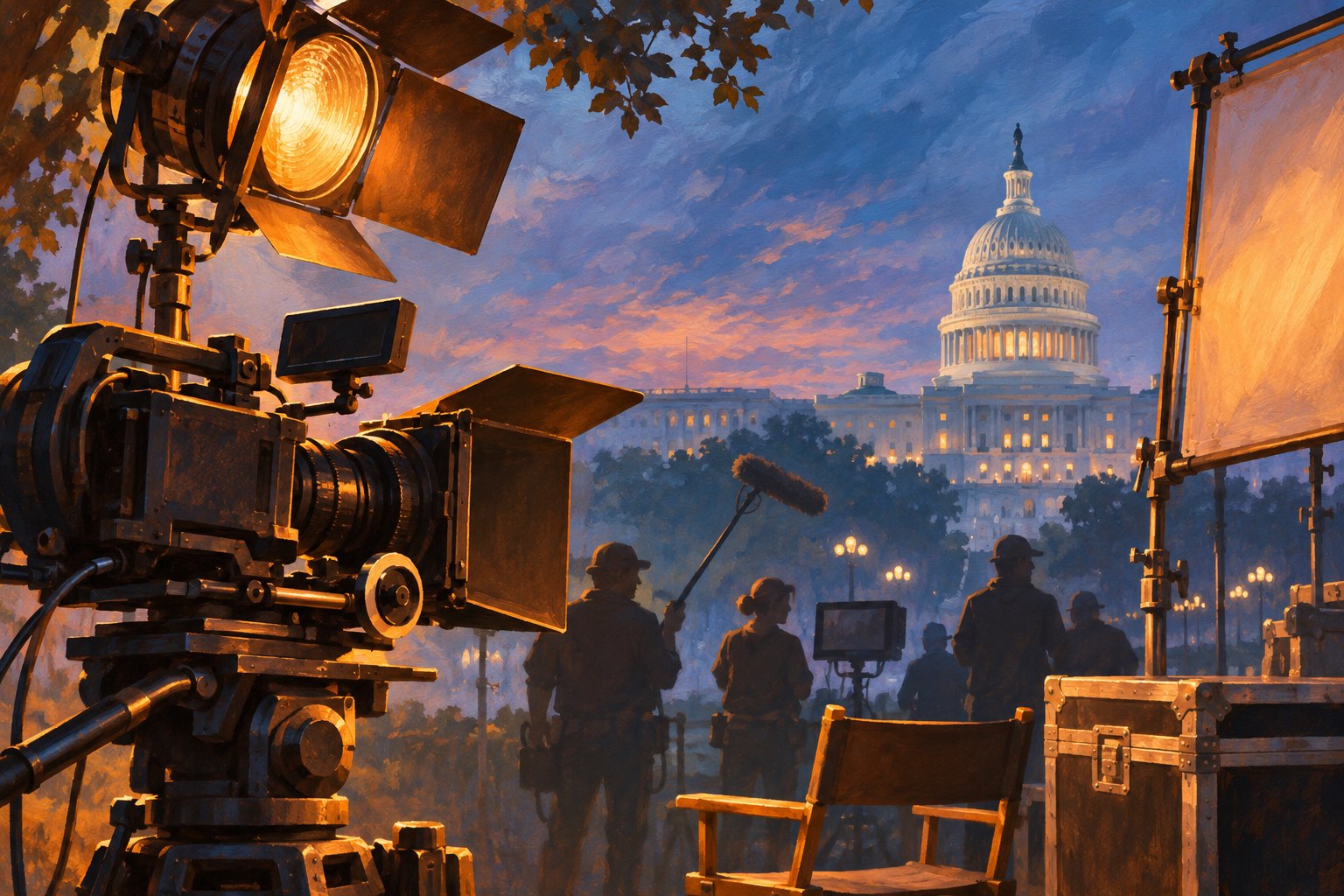
Artificial is entering the conversation about artificial intelligence through a particularly appropriate object: a movie poster. Business Insider describes a new poster for the OpenAI-related film as a human response to AI slop. That framing gives the promotion an immediate point of interest. A movie connected to the technology is being presented through a challenge to the disposable imagery associated with it.
The appeal is easy to understand. Moviegoers want to feel that someone made a choice worth noticing. But a promotional statement about human creativity also raises expectations: can the film offer the specificity, contradictions, and emotional insight that its marketing invites us to value?
This is spoiler-free commentary on the poster’s reported positioning, not a review of the finished film. The report’s central premise supports a discussion of authorship and audience expectations; it does not establish the movie’s quality, character arcs, or dialogue.
What the Poster’s Reported Message Establishes
The essential news is narrow: a new Artificial poster is being discussed as a response to AI slop, with human creativity central to that response. That is enough to identify a promotional angle. It is not enough to reconstruct the image’s visual details, quote a slogan, or describe how it was produced.
Those distinctions matter because an image can criticize a technology without explaining every production decision behind it. Likewise, a film associated with OpenAI as a subject should not automatically be treated as a production commissioned or endorsed by the company. Subject, authorship, and institutional approval are separate questions.
My reading of the reported positioning is that it offers an invitation to look more closely. Instead of asking only whether the picture attracts attention, it encourages a second question: what makes an image feel considered? For a film promotion, that is a productive shift. It asks viewers to bring judgment to something designed to win their interest quickly.
Why AI Slop Is a Useful—and Imprecise—Target
In this discussion, AI slop names a familiar complaint: images that seem interchangeable, careless, or produced without much concern for why they should exist. The objection is partly aesthetic, but it also concerns the viewer’s time. A picture may be technically elaborate while offering very little to discover.
The term becomes less useful when it substitutes for looking. Glossy surfaces do not independently establish how an image was made. An awkward detail does not prove automation. Human artists can produce generic work, and deliberate distortion can be a meaningful artistic choice. Criticism needs to distinguish a production method from the quality of a particular result.
That distinction gives Artificial an interesting challenge. A campaign that invokes human creativity benefits from the audience’s desire for intention and personality. Yet those qualities have to be expressed through decisions: composition, emphasis, ambiguity, and the relationship between an image and its subject. Human involvement is significant, but it is not a substitute for an argument about what the work achieves.
A Poster Can Promise a Point of View
A useful movie poster does more than identify a title. It establishes a relationship with the audience. It might invite admiration, suspicion, discomfort, or amusement before the first scene begins. The reported anti-slop positioning of Artificial suggests an invitation to skepticism about images and the systems behind them.
That is an appealing starting point for a movie connected to AI. The subject already involves questions about representation: what appears convincing, who decides what counts as intelligence, and how presentation influences trust. A promotional image can introduce those questions without settling them.
Still, the distinction between an effective advertisement and an effective film remains crucial. A poster compresses an idea into a glance. Drama has to develop it over time, allow competing motives to emerge, and make consequences felt. Our discussion of how a compelling performance can exceed the movie surrounding it raises a related critical principle: enthusiasm for one element should remain proportionate to what that element actually demonstrates.
The Human Test Belongs to the Characters
The most valuable implication of this campaign is a standard for characterization. If human specificity is the attraction, the film should ultimately be assessed through the individuality of its people. Do their choices reveal competing desires? Can they understand a problem accurately while misunderstanding themselves? Do relationships change what they are willing to defend?
These are questions for evaluating the film, not descriptions of verified scenes. They matter because a technology drama can become dramatically thin when every person exists to deliver a position. An advocate speaks for progress; a skeptic supplies warnings; someone else explains the technical vocabulary. The audience understands the debate but learns little about the people.
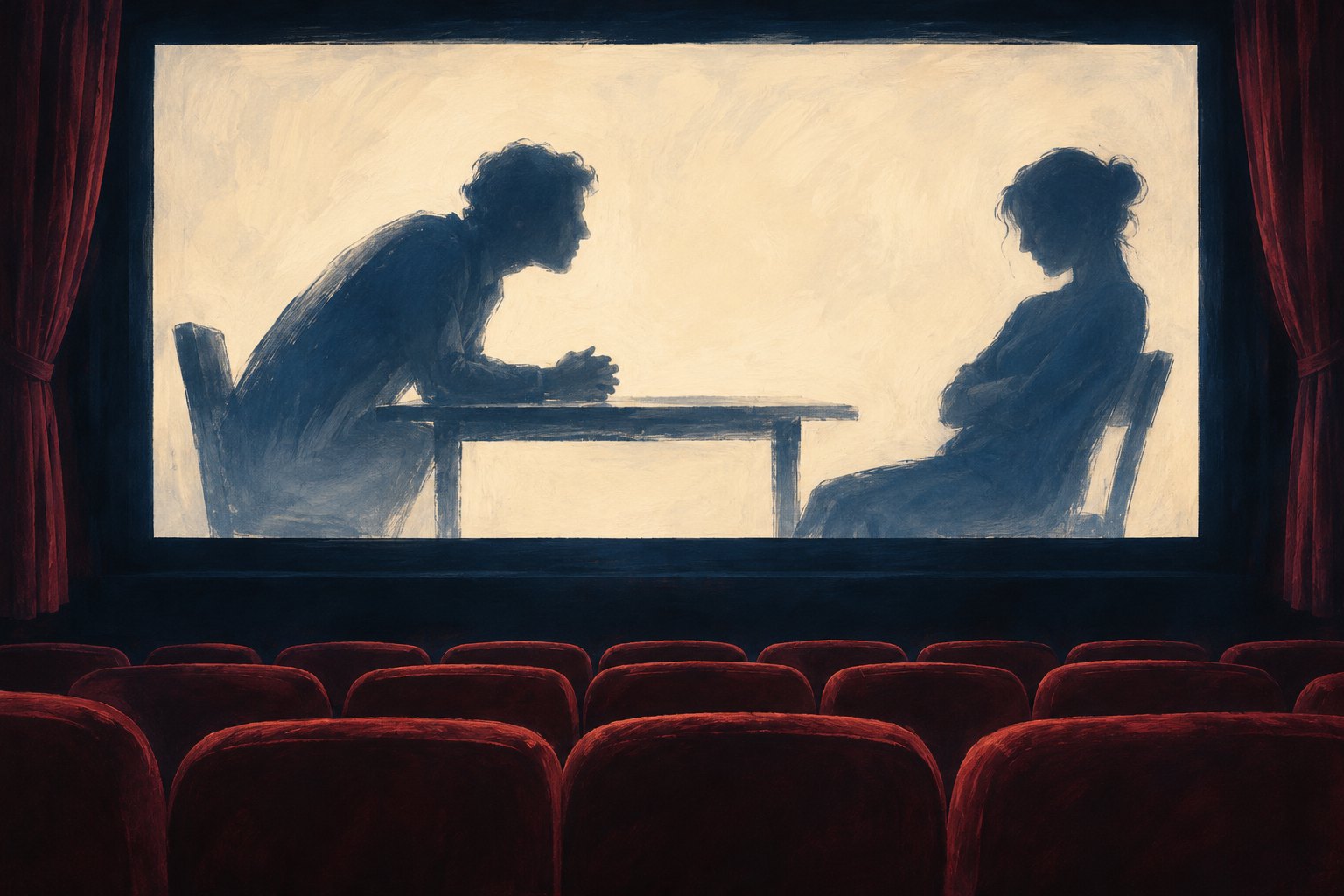
A richer approach would give each character something immediate to want from another person. Recognition, loyalty, control, or forgiveness can make an abstract argument emotionally legible. The telling detail might be the difference between what someone says in public and what they cannot admit privately. That kind of discrepancy gives viewers something to interpret rather than merely agree with.
Dialogue deserves the same standard. A memorable line earns its force through its speaker, timing, and consequences. Without verified dialogue, quoting supposed highlights from Artificial would create a false impression of familiarity. The useful expectation is that its words should expose character as well as explain ideas.
Human Creativity Also Means Visible Labor
There is another implication in making humanity the selling point: creative work involves people whose contributions are often less visible than the finished image. Celebrating authorship becomes more meaningful when audiences can understand what someone actually contributed.
That does not establish any particular production practice behind this poster. It does suggest a useful way to judge the broader message. Does the celebration of human creativity encourage attention to craft, or does it stop at an attractive claim of authenticity?
The distinction connects with our examination of why the people doing film production work deserve attention. A film’s human dimension includes both the characters on screen and the workers whose decisions make those characters visible and believable. Admiration for the result becomes more informed when it includes that labor.
The Deeper Promise Behind Artificial’s Poster
The most interesting interpretation of this promotional angle concerns responsibility. Calling attention to human creativity invites us to imagine someone choosing an emphasis, accepting a limitation, and standing behind the result. That is a stronger artistic proposition than simply asking whether an image looks polished.
For Artificial, the opportunity is to carry that interest in choices into the film itself. A compelling treatment of AI would let viewers examine the people making consequential decisions without reducing them to illustrations of a predetermined verdict.
The reported poster concept is promising because it turns the act of looking into part of the subject. Its limit is equally clear: the image can invite curiosity, but it cannot answer for the movie. The film’s deeper test will be whether its people reward the same close attention that its promotion asks us to give its imagery.
Original content by this site's editorial team. Published: November 20, 2026 at 09:49:16 PST (Los Angeles time)