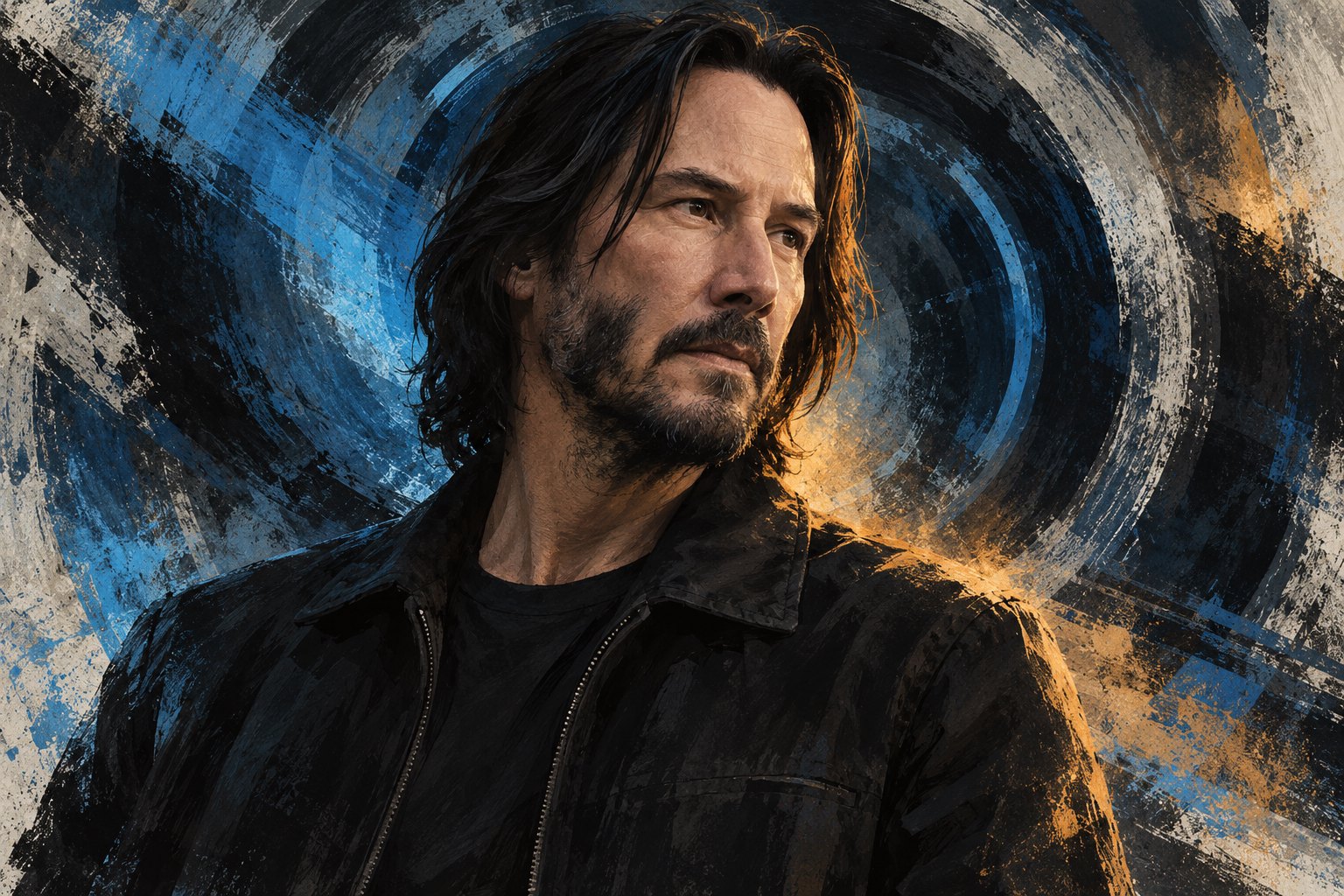
Alex Gibney’s team has pushed back at Elon Musk over a documentary legal threat, invoking the phrase “free speech absolutist,” according to The Hollywood Reporter. The response brings a pointed question into the film’s surrounding debate: how does a public commitment to open expression hold up when someone else controls the portrait?
For moviegoers, however, that question sits beside another equally important one: what does the documentary actually establish? A sharp comeback can expose a tension in someone’s public position. It cannot validate a film’s evidence, settle a disputed allegation, or tell us whether its storytelling is persuasive.
This is commentary on the reported dispute and its implications for documentary criticism, rather than a review of the completed film. It contains no plot spoilers.
What the Reported Exchange Establishes
The central reported event is a confrontation between Gibney’s team and Musk over a documentary legal threat, with the filmmakers’ response emphasizing free speech. That provides a basis for discussing the struggle over an independent screen portrait. It does not, by itself, establish the merits of any underlying complaint.
The distinction matters because the language surrounding a controversial documentary can become a substitute for watching it. Readers encounter a threat, a rebuttal, and a memorable phrase, then receive an invitation to choose a side. The resulting public drama may be easier to follow than the film’s argument.
Our editorial position is that the work deserves room to be examined, and its claims deserve scrutiny. Neither principle requires surrendering the other. A documentary should be able to challenge its subject while remaining accountable for how it represents that person.
Why the Free-Speech Response Has Force—and Limits
The phrase “free speech absolutist” makes the response pointed because it directs attention toward consistency. An expansive position on expression is most revealing when the expression is unwelcome. Praise rarely tests anyone’s tolerance for another person’s voice.
That is a meaningful cultural argument. It asks whether an influential subject accepts the possibility of a public portrait that he does not approve. From a film critic’s perspective, the freedom to make such a portrait is essential to independent documentary work.
Still, the phrase cannot do every job in this dispute. It does not demonstrate that every statement in a documentary is accurate. Nor does the existence of a legal threat demonstrate that the filmmaker has acted improperly. Viewers should resist letting a satisfying rhetorical contradiction settle questions that require specific evidence.
The Subject’s Perspective: Recognition and Control
A character-centered approach to documentary starts with an important difference from fiction: the person on screen has a life beyond the filmmaker’s construction. An edit can become the version of that person that viewers remember, even though it necessarily selects from a much larger record.
Viewed from the subject’s position, the stakes include whether statements retain their context, whether chronology is clear, and whether another person’s interpretation is presented as established knowledge. These are legitimate critical questions for any documentary portrait. Raising them does not require endorsing Musk’s position in this particular dispute.
Recognition also differs from approval. A subject may dislike a fair portrayal; a flattering portrayal may still be misleading. The useful standard is whether a viewer can understand how the film reaches its judgments.
This problem has a counterpart in our examination of public image and characterization in Artificial. Both subjects invite questions about how screen storytelling turns a recognizable technology figure into a legible personality, although documentary carries different evidentiary responsibilities from dramatization.
The Filmmaker’s Perspective: Making an Argument Visible
From the filmmaker’s side, independence means being able to organize material into an interpretation without giving the subject editorial control. But interpretation becomes convincing through the work itself: the relationship between testimony, records, chronology, and the conclusions the audience is invited to draw.
A documentary can have a strong point of view and still distinguish between what someone witnessed, what someone believes, and what corroborating material supports. In my view, that distinction is a better measure of rigor than an evenly divided tally of favorable and unfavorable comments.
Character analysis should follow the same discipline. Calling someone ambitious or controlling means little unless the film supplies behavior that supports the description. The strongest portrait allows us to see decisions, pressures, and consequences before asking us to accept a label.

What to Watch for Beyond the Controversy
The Gibney–Musk dispute makes a practical viewing method especially useful. These questions can help an audience evaluate the film without importing a verdict from its publicity:
- Identify the exact claim. Separate a concrete assertion about an event from an interviewee’s opinion about someone’s personality.
- Track who knows what. Firsthand testimony, recollection, interpretation, and speculation have different strengths. Notice whether the film makes those differences clear.
- Examine transitions. Two adjacent images can suggest a relationship. Ask whether the documentary supplies evidence for that relationship or merely encourages the association.
- Listen past the music. Consider whether a sequence would support the same conclusion without its score, pacing, or ominous pause.
- Look for meaningful responses. A response is useful when viewers can understand which assertion it addresses and how it affects the argument.
These checks do not drain the pleasure from filmmaking. They reveal its craft. A precise edit can clarify a complicated relationship; an imprecise one can produce certainty that the underlying material does not justify. Our discussion of testimony and the limits of documentary evidence in NAZA explores a related question: what can a recorded voice establish, and what remains outside its reach?
A Memorable Phrase Is Not a Movie Verdict
In this exchange, “free speech absolutist” functions as the line audiences may carry away. Its compactness is its advantage: it turns a complicated confrontation into a question about principle. But it belongs to the public dispute, and should not be mistaken for verified dialogue from the documentary.
The same caution applies when eventually assessing the film’s most memorable moments. A devastating remark may reveal the speaker’s perspective more clearly than it establishes anything about its target. Good criticism keeps both possibilities in view.
The Deeper Issue: Who Gets to Define a Public Figure?
The most interesting implication of this confrontation is the collision between two forms of authorship: a person’s account of himself and a filmmaker’s account of that person. Documentary becomes valuable when it opens that contest to examination through material the audience can assess.
My judgment is that Gibney’s team’s response raises a worthwhile challenge about tolerating scrutiny. The film must earn its separate judgment through accuracy, context, and the quality of its construction. Viewers should leave with a clearer understanding of the person and the evidence—not merely a stronger attachment to the side they favored before pressing play.
Original content by this site's editorial team. Published: September 11, 2026 at 06:57:23 PDT (Los Angeles time)