A local filmmaker’s movie about St. Louis Chinese food is scheduled to premiere in November, according to KMOV. The premise brings a familiar part of daily life into a setting where audiences can give it sustained attention: a movie theater. For viewers interested in regional filmmaking, the attraction is immediate. A meal can become an entry point into how people remember a neighborhood, recognize one another, and describe the place they call home.
This is a spoiler-free preview and critical commentary, not a review based on a screening. The announcement establishes the subject and premiere month; it does not establish the film’s artistic success. Assessing its individual participants, scenes, dialogue, or ending requires seeing the finished work. What merits attention now is the storytelling opportunity within this unusually specific subject.
Why St. Louis Chinese Food Is a Promising Film Subject
The strongest reason to make a movie about a local food culture is that familiarity can conceal complexity. A regular customer may know an order by heart without knowing much about the work behind it. Someone preparing that order may experience the same restaurant as a workplace, a responsibility, or a source of pride. Those perspectives occupy the same space without necessarily sharing the same story.
That makes the subject cinematic before anyone reaches for an elaborate visual metaphor. Food involves movement, texture, repetition, waiting, and exchange. A camera can observe how a task is performed; sound can make its rhythm perceptible. Conversation can reveal why an apparently ordinary purchase matters to the person making it.
For this St. Louis project, specificity is the attraction. A movie does not need to explain an entire city to justify concentrating on one part of it. It does need to help an unfamiliar viewer understand what residents recognize. The interesting question is how a filmmaker translates that recognition into an experience that travels beyond the neighborhood.
The People Should Determine the Story’s Shape
A character-centered reading of a food film begins with a simple discipline: distinguish the people’s interests. The customer, cook, owner, and next generation should not automatically be treated as interchangeable voices celebrating the same tradition. These are possible perspectives for evaluating the subject, not a confirmed list of participants in this movie.
From the customer’s side of the counter
A remembered meal can carry an entire period of someone’s life. Yet memory becomes compelling on screen through detail. Who introduced someone to a place? What made returning meaningful? Has their understanding of it changed? An answer that contains surprise, hesitation, or contradiction can tell us more than a confident declaration that the food is the best.
The critical distinction is between recognition and discovery. Recognition offers the pleasure of seeing something familiar acknowledged. Discovery allows a viewer to learn something that familiarity had hidden. A local audience deserves both, while an audience arriving without those memories needs a route into the experience.
From the kitchen’s side
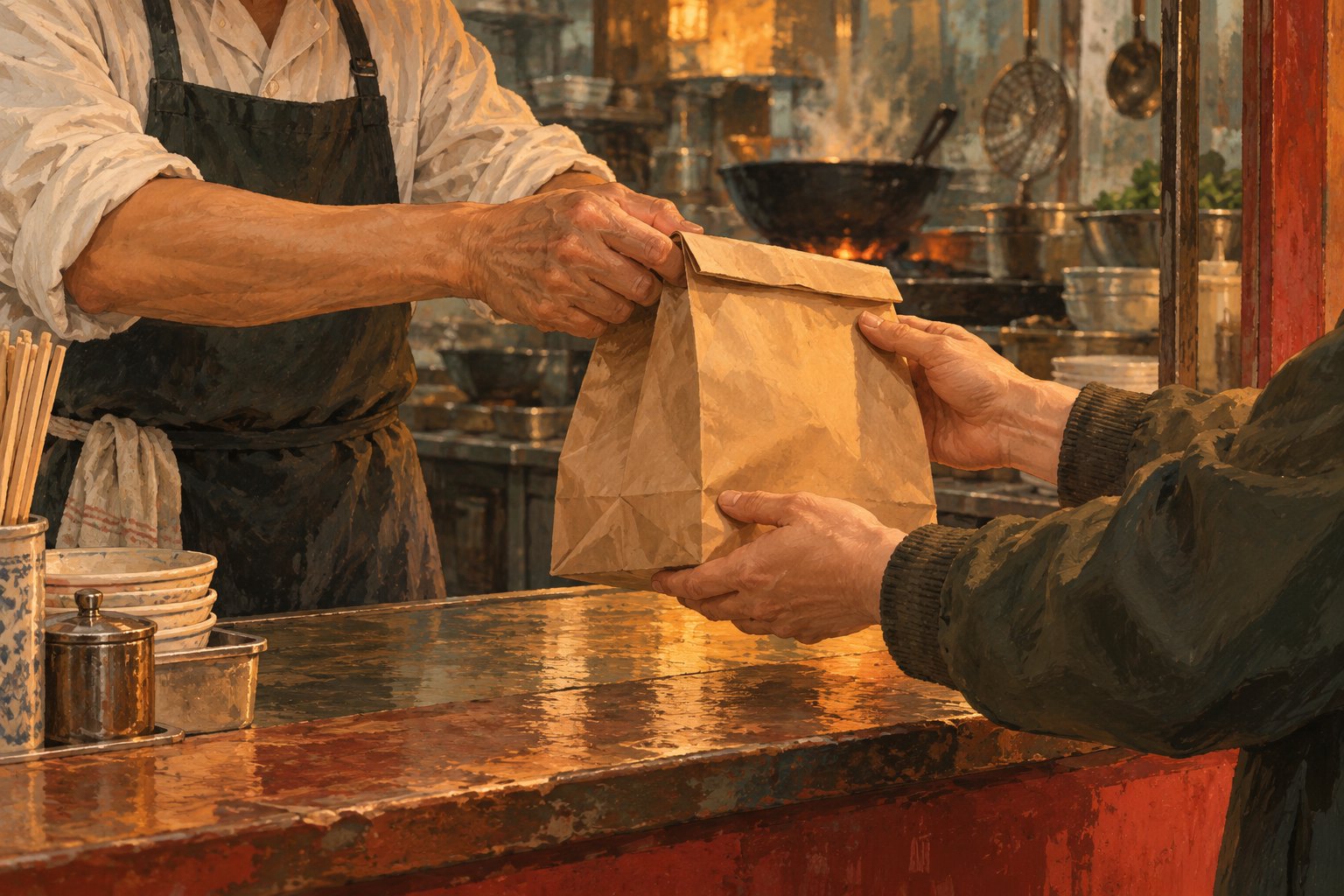
For a cook or proprietor, the same meal may represent skill developed through repetition. An attentive film can make that expertise visible without romanticizing every working moment. Watching someone perform a task is not automatically the same as understanding what the task demands.
My standard for this kind of storytelling is whether the people preparing the food have room to define its significance themselves. Their voices should do more than confirm a customer’s affectionate recollection. A restaurant becomes a richer screen setting when the people working there have interests and personalities beyond what they provide to others.
What the Camera Can Add to the Conversation
A food movie earns its medium through choices that an article or menu cannot reproduce. The duration of a shot matters. A quick close-up can emphasize appetite; a longer observation can reveal effort, timing, or the relationship between people sharing a workspace. Neither approach is inherently superior. Its value depends on what the sequence helps us understand.
Editing matters just as much. Placing a customer’s recollection beside a worker’s account can create a meaningful connection, but it can also suggest agreement that has not been demonstrated. Strong film analysis asks how a sequence builds its argument, especially when the presentation feels effortless.
This is related to the challenge explored in our commentary on making a specialized subject understandable on screen: visual access becomes valuable when it produces understanding. Here, a beautifully photographed dish would be an invitation. The surrounding observations would determine how much the viewer learns.
Listening for More Than Atmosphere
Sound offers another way to distinguish a place. The contrast between a busy kitchen and a quieter conversation can alter how viewers experience the same room. Music can connect passages, establish energy, or encourage nostalgia. These are possibilities of the form, not descriptions of this film’s soundtrack.
The question for an eventual review is whether those choices deepen the people’s accounts or decide their emotional meaning too quickly. A pause in conversation may deserve to remain a pause. A recollection need not arrive wrapped in a musical instruction to feel moved.
Our discussion of Patrick Stewart’s contribution to The Nightmare Before Christmas soundtrack highlights why precision about sound matters: what belongs to a film, and what surrounds it, are distinct. The same care applies here. Promotional material cannot substitute for listening to the completed movie.
A Local Premiere, With Room for a Larger Meaning
The November premiere gives this St. Louis food story a public occasion. Its deeper significance, however, will depend on what the film makes visible within an everyday exchange. Affection is a reasonable starting point for a local filmmaker. Curiosity is what can turn that affection into insight.
The most interesting possibility is a film that changes the viewer’s attention afterward. Someone might look differently at the preparation behind an order, listen more carefully to a familiar person, or reconsider whose memories shape their picture of a neighborhood. Those would be meaningful outcomes without requiring the movie to claim that one meal explains a whole city.
For now, the subject earns interest rather than a verdict. My hope is that its treatment allows the comfort of familiar food and the distinct experiences of the people around it to coexist. The lasting value of a film like this would lie in making an ordinary encounter feel more fully understood.
Original content by this site's editorial team. Published: October 31, 2026 at 21:54:11 PDT (Los Angeles time)